



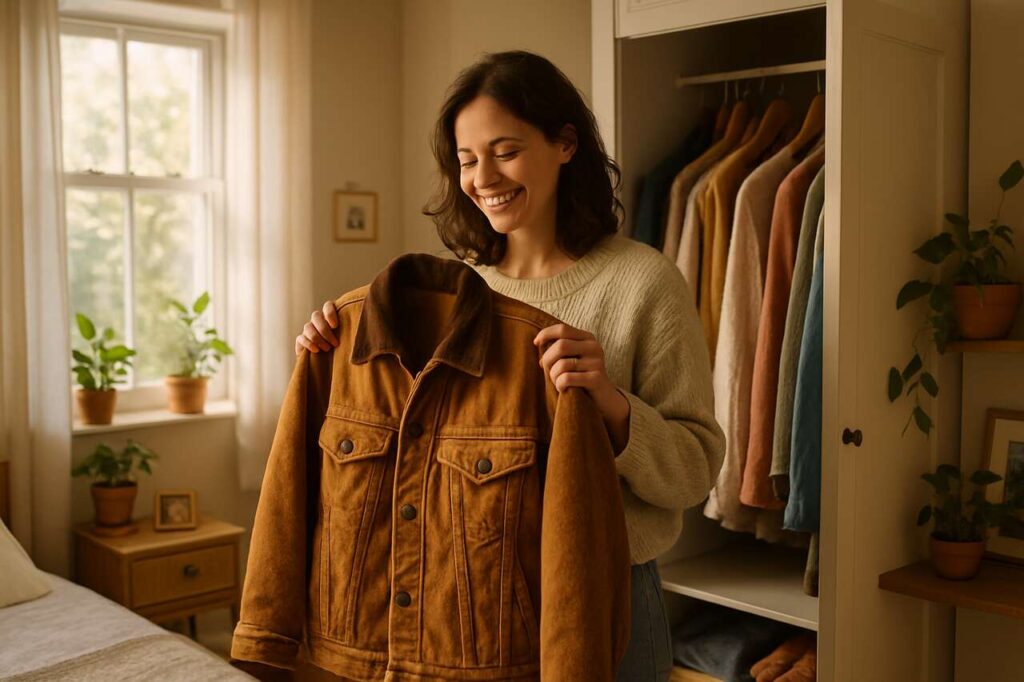
The relationship we cultivate with our clothing extends far beyond mere fabric and thread. As textile waste reaches alarming levels, with individuals discarding approximately 16 kilograms annually, the fashion industry faces a critical juncture. Recent EU regulations targeting fast fashion practices signal a fundamental shift in how we must approach our wardrobes. Yet beyond legislative measures lies a powerful solution: the emotional bonds we forge with our garments. These connections possess the potential to revolutionise not only our personal style but also the environmental footprint of our clothing consumption. By understanding and nurturing the attachment we feel towards certain pieces, we can transform our relationship with fashion into one that prioritises longevity, meaning, and sustainability.
The fast fashion and its implications
The environmental toll of disposable fashion
The fast fashion model has created an unprecedented crisis in textile waste management. Mountains of discarded clothing accumulate in landfills across the globe, with enough fabric waste generated annually to fill thousands of disposal sites. This relentless cycle of production and disposal stems from a business model that prioritises volume over value, encouraging consumers to view clothing as temporary rather than treasured possessions.
Regulatory responses to unsustainable practices
New EU regulations have emerged as a direct response to the environmental damage caused by fast fashion. These legislative measures place greater responsibility on manufacturers to address material waste and unsustainable production methods. The framework includes several key provisions:
- Penalties for companies that destroy unsold textiles
- Requirements for extended producer responsibility programmes
- Standards for textile recycling and waste reduction
- Transparency obligations regarding supply chain practices
Non-compliance with these regulations carries significant financial consequences, compelling brands to fundamentally rethink their business models. This regulatory pressure creates an opportunity for the industry to align with consumer values whilst reducing environmental harm.
The psychology of overconsumption
Beyond the environmental statistics lies a deeper psychological phenomenon. January sales and constant promotional cycles fuel a purchasing mentality that disconnects consumers from the true value of their clothing. The accumulation of unloved garments in wardrobes reflects not merely excess but a fundamental misalignment between what we buy and what we genuinely cherish. This disconnect perpetuates the cycle of waste, as clothing purchased impulsively rarely earns a lasting place in our lives.
Understanding these implications sets the stage for exploring how emotional connections can counteract the damaging patterns established by fast fashion culture.
The benefits of emotional connections to clothes
Extending garment lifespan through attachment
The emotional value we assign to clothing directly influences how long we retain and wear these items. Emotional durability represents a powerful antidote to the disposable fashion mentality. When we form meaningful connections with our garments, whether through memories associated with them or appreciation of their craftsmanship, we naturally extend their active lifespan. This attachment transforms clothing from mere commodities into valued possessions worthy of care and preservation.
Quality over quantity in wardrobe curation
A critical examination of our wardrobes often reveals an uncomfortable truth: we own far more than we love. The experience of confronting mountains of accumulated clothing can serve as a catalyst for change. By shifting focus from quantity to quality and meaning, we create space for garments that genuinely resonate with our identity and values. This approach offers multiple advantages:
- Reduced decision fatigue when selecting daily outfits
- Greater satisfaction with wardrobe choices
- Decreased impulse purchasing behaviour
- Enhanced appreciation for craftsmanship and design
- Lower overall environmental impact
The role of memory and identity
Clothing serves as a tangible repository for personal history and identity. Garments that hold memories become more than functional items; they transform into storytelling devices that connect us to significant moments and relationships. This emotional dimension adds layers of value that transcend fashion trends and seasonal changes. When we recognise and honour these connections, we develop a more intentional relationship with our wardrobes, one that prioritises meaning over novelty.
These emotional benefits naturally lead us towards practical strategies for building wardrobes that reflect both sustainability and personal authenticity.
Towards a more sustainable wardrobe
Principles of conscious clothing selection
Building a sustainable wardrobe begins with intentional purchasing decisions. Rather than responding to fleeting trends or promotional pressures, conscious consumers evaluate potential acquisitions through multiple criteria. This deliberate approach involves asking critical questions before each purchase: will this garment integrate seamlessly with existing pieces ? Does it reflect genuine personal style rather than temporary desire ? Can I envision wearing it repeatedly over years rather than months ?
Practical strategies for wardrobe longevity
Maintaining emotional connections with clothing requires both mindset shifts and practical actions. The following strategies support long-term wardrobe sustainability:
| Strategy | Implementation | Impact |
|---|---|---|
| Regular wardrobe audits | Quarterly reviews of items worn and valued | Identifies unused pieces and prevents accumulation |
| Proper garment care | Following care instructions and timely repairs | Extends lifespan by years |
| Seasonal rotation | Storing off-season items properly | Maintains garment condition and rediscovery joy |
| Mindful purchasing | Waiting periods before buying | Reduces impulse purchases by up to 70% |
Redesigning relationship with fashion consumption
Relocation experiences and major life transitions often prompt valuable reassessments of our clothing relationships. These moments of reflection reveal the gap between what we own and what we genuinely value. By embracing such opportunities for critical evaluation, we can establish new patterns that prioritise emotional resonance over accumulation. This shift requires courage to release garments that no longer serve us whilst committing to more thoughtful acquisition practices moving forward.
As we cultivate these sustainable habits, we discover how deeply our emotional connections influence the very essence of personal style.
The impact of clothing attachment on personal style
Developing authentic personal expression
True personal style emerges not from following trends but from understanding which garments genuinely reflect individual identity. Emotional attachment serves as a reliable compass in this journey of self-expression. The pieces we return to repeatedly, that make us feel confident and authentic, reveal more about our genuine style than any fashion magazine could prescribe. This authentic approach liberates us from the pressure to constantly update our wardrobes according to external dictates.
The confidence factor in clothing choices
Garments to which we feel emotionally connected typically enhance our confidence in measurable ways. This psychological benefit stems from several factors:
- Familiarity with how the garment fits and moves
- Positive associations and memories linked to the item
- Alignment between the garment and self-perception
- Comfort derived from proven reliability
This confidence translates into more assured personal presentation and reduced anxiety around appearance, demonstrating how emotional connections enhance both psychological wellbeing and style coherence.
Creating signature looks through cherished pieces
The most memorable personal styles often revolve around a core collection of beloved garments. These signature pieces become recognisable elements of individual identity, offering consistency whilst allowing for creative variation. By building style around emotionally significant items rather than chasing trends, we develop a more distinctive and sustainable approach to fashion that resists the homogenising effects of mass-market clothing.
This evolution in personal style naturally intersects with broader movements towards ethical fashion practices.
How ethical fashion can transform your wardrobe
Understanding ethical fashion principles
Ethical fashion encompasses multiple dimensions beyond environmental sustainability. It includes fair labour practices, transparent supply chains, and business models that prioritise long-term value over short-term profit. Brands operating within this framework design garments intended to be treasured rather than discarded, creating pieces that invite emotional connection through quality materials, thoughtful construction, and timeless design.
The intersection of ethics and emotional design
Forward-thinking fashion companies increasingly recognise that emotional durability supports both business sustainability and regulatory compliance. By creating garments that consumers genuinely love and wish to preserve, these brands naturally reduce waste whilst building customer loyalty. This alignment between emotional design and ethical practice offers a compelling alternative to the fast fashion model:
| Aspect | Fast Fashion | Ethical Fashion |
|---|---|---|
| Design intention | Trend-driven, temporary appeal | Timeless, emotional resonance |
| Expected lifespan | Single season | Multiple years |
| Consumer relationship | Transactional | Emotional connection |
| Environmental impact | High waste generation | Reduced textile waste |
Supporting brands aligned with values
Consumer choices wield significant power in shaping industry practices. By directing spending towards brands that prioritise emotional durability and ethical production, individuals contribute to broader market transformation. This support need not require complete wardrobe replacement; even gradual shifts towards ethical brands when replacing worn items creates meaningful impact. The key lies in recognising that each purchase represents a vote for particular industry practices and values.
These current developments in ethical fashion point towards emerging trends that will shape the industry’s trajectory.
The future of sustainable and emotional fashion
Emerging trends in conscious consumption
The fashion landscape continues evolving as awareness of environmental and social issues grows. Climate consciousness increasingly influences purchasing decisions, particularly among younger consumers who prioritise sustainability alongside style. This shift manifests in several observable trends:
- Growing demand for transparency in production processes
- Increased interest in garment repair and alteration services
- Rise of clothing rental and sharing platforms
- Preference for versatile, multi-functional pieces
- Appreciation for vintage and second-hand fashion
Technology supporting emotional connections
Innovative technologies are emerging to strengthen the bond between consumers and their clothing. Digital platforms now enable individuals to document the stories behind their garments, creating virtual archives of fashion memories. Some brands incorporate technologies that track garment lifecycles, reinforcing the value of longevity. These tools support the emotional dimension of clothing ownership whilst providing practical benefits for wardrobe management.
The role of education in fashion transformation
Fashion education extends beyond industry professionals to encompass consumers seeking to make more informed choices. Understanding garment construction, fabric properties, and care techniques empowers individuals to maintain their clothing effectively. This knowledge enhances appreciation for quality craftsmanship whilst enabling better purchasing decisions. As educational resources become more accessible, consumers gain tools to resist marketing pressures and focus on genuine value.
The convergence of emotional attachment, ethical practices, and regulatory frameworks suggests a fashion future fundamentally different from the fast fashion era. By treasuring the garments we already own and making thoughtful additions to our wardrobes, we participate in this transformation whilst developing more authentic personal style. The journey towards sustainable fashion begins not with grand gestures but with recognising and nurturing the emotional connections that make certain clothes irreplaceable.
The path forward requires both individual commitment and systemic change. Emotional connections to clothing offer a powerful complement to regulatory measures, creating internal motivation that sustains long-term behavioural shifts. As we learn to value quality over quantity and meaning over novelty, our wardrobes become reflections of conscious choices rather than impulsive accumulation. This transformation benefits not only the environment but enriches our relationship with fashion itself, restoring the joy and significance that clothing can hold in our lives. The challenge lies not in perfection but in progress, as each thoughtful decision contributes to a more sustainable and emotionally fulfilling approach to style.