
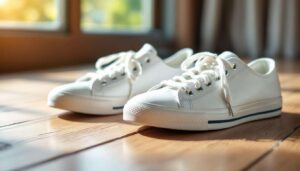


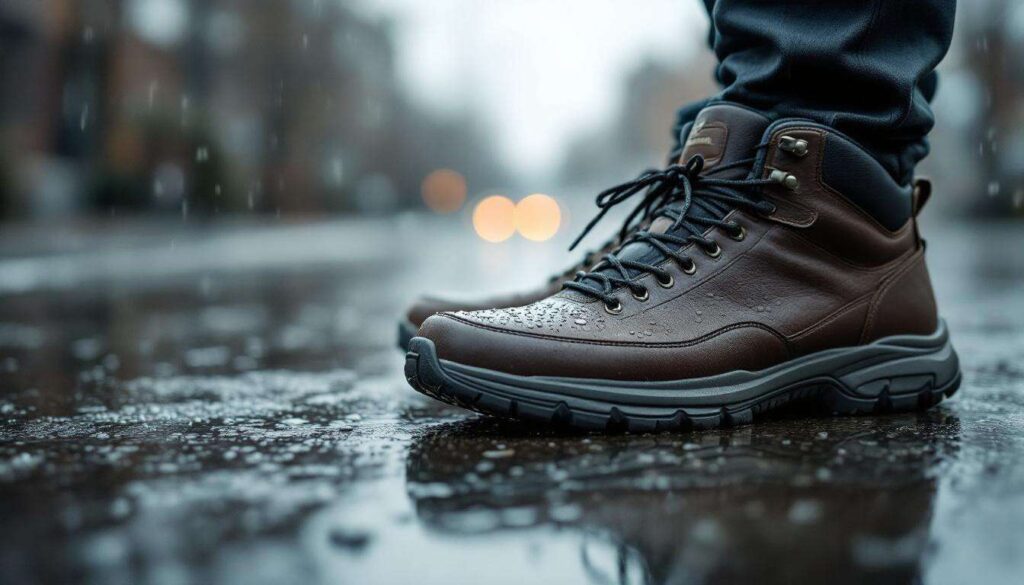
Stepping out into unpredictable weather no longer means sacrificing comfort or style. Waterproof walking shoes have evolved from purely functional footwear into essential everyday items that combine protection, performance and contemporary design. Whether navigating puddle-strewn pavements or embarking on countryside rambles, the right pair transforms wet-weather experiences from miserable ordeals into confident strides.
The importance of waterproof walking shoes
Protection against the elements
Waterproof walking shoes provide critical defence against rain, puddles and damp conditions that characterise much of the climate. Traditional footwear absorbs moisture rapidly, leaving feet sodden and uncomfortable within minutes of exposure. Modern waterproof construction utilises advanced membrane technology that creates an impenetrable barrier whilst maintaining breathability. This dual functionality ensures that external water cannot penetrate inwards, whilst internal perspiration escapes outwards, preventing the clammy sensation often associated with sealed footwear.
Health benefits for your feet
The consequences of prolonged exposure to damp conditions extend beyond temporary discomfort. Wet environments inside shoes create ideal breeding grounds for bacteria and fungi, leading to conditions such as:
- Athlete’s foot infections causing itching and skin breakdown
- Fungal nail infections requiring lengthy treatment
- Bacterial growth producing unpleasant odours
- Skin maceration weakening the protective barrier
- Increased susceptibility to blisters and abrasions
Waterproof walking shoes incorporate moisture-wicking linings and antimicrobial treatments that actively combat these risks. By maintaining a dry internal environment, they preserve skin integrity and reduce the likelihood of developing painful or embarrassing foot conditions.
Economic value and durability
Investing in quality waterproof footwear represents sound financial planning rather than unnecessary expenditure. Standard shoes subjected to regular wet conditions deteriorate rapidly, requiring frequent replacement. Waterproof alternatives feature reinforced construction and weather-resistant materials that withstand harsh conditions whilst maintaining structural integrity. This longevity translates into fewer purchases over time, offsetting the initial higher cost through extended usability.
Beyond mere protection from rain, these versatile shoes serve multiple purposes throughout varying weather patterns and seasonal changes.
The key features of waterproof walking shoes
Membrane technology and construction
The heart of any waterproof walking shoe lies in its membrane system. High-performance membranes contain microscopic pores significantly smaller than water droplets yet larger than water vapour molecules. This ingenious design prevents liquid water penetration whilst allowing perspiration to escape as vapour. The most effective shoes integrate this membrane between the outer shell and inner lining, creating a continuous protective layer throughout the entire foot enclosure.
Breathability and comfort features
Waterproofing without breathability creates an uncomfortable sauna effect inside the shoe. Quality waterproof walking shoes balance these opposing requirements through:
- Strategically positioned ventilation panels in less exposed areas
- Moisture-wicking sock liners that draw perspiration away from skin
- Perforated insoles promoting air circulation
- Quick-drying internal fabrics preventing moisture accumulation
These features work synergistically to maintain a comfortable microclimate inside the shoe regardless of external conditions or activity intensity.
Traction and sole design
Wet surfaces present significant slip hazards that waterproof shoes must address. Specialised rubber compounds maintain flexibility and grip even in cold, wet conditions where standard materials harden and lose traction. Deep lug patterns channel water away from the contact surface, whilst multidirectional tread designs provide stability during lateral movements and descents.
| Feature | Benefit | Typical specification |
|---|---|---|
| Sole thickness | Cushioning and protection | 8-12mm midsole |
| Lug depth | Grip on wet surfaces | 4-7mm protrusions |
| Rubber hardness | Durability versus traction | 60-70 durometer |
Understanding these technical specifications helps inform purchasing decisions when comparing different models and brands.
How to choose the right waterproof walking shoes
Assessing your specific needs
Selection begins with honest evaluation of intended usage. Urban walking on paved surfaces demands different characteristics than countryside hiking across varied terrain. Consider the typical conditions encountered, frequency of use, and whether the shoes serve primarily practical or also aesthetic purposes. Those requiring footwear for daily commuting prioritise different features than weekend adventurers tackling muddy trails.
Fit and sizing considerations
Proper fit transcends simple length measurement. Waterproof walking shoes should accommodate:
- Thicker socks worn during cold, wet weather
- Natural foot swelling during extended walking
- Toe movement preventing compression and blisters
- Secure heel cup preventing slippage and rubbing
- Adequate width avoiding lateral pressure points
Testing shoes during afternoon hours when feet have naturally expanded provides more accurate sizing assessment than morning fittings. Walking on inclines within the shop reveals whether toes slide forward excessively or heels lift during stride.
Material quality and construction standards
External materials significantly impact both performance and longevity. Full-grain leather offers superior durability and water resistance when properly treated, though it requires more maintenance than synthetic alternatives. Modern synthetic fabrics provide excellent waterproofing with reduced weight and faster drying times. Seam construction deserves particular attention: sealed or taped seams prevent water infiltration through stitching holes that compromise even the best membrane systems.
Budget versus value assessment
Price ranges vary dramatically across waterproof walking shoes, but higher cost does not automatically guarantee superior performance. Mid-range options frequently incorporate the same membrane technology as premium models, with differences appearing in aesthetic details, brand positioning, or minor comfort enhancements. Conversely, budget offerings may sacrifice crucial features like adequate cushioning or durable outsoles that affect long-term satisfaction and foot health.
Different activities and preferences naturally lead towards specific styles and constructions within the waterproof footwear category.
The types of waterproof walking shoes
Waterproof trainers and sneakers
These represent the most versatile option for urban environments and casual outdoor activities. Waterproof trainers combine athletic shoe comfort with weather protection, featuring streamlined profiles that suit both active pursuits and everyday wear. Their lightweight construction and flexible soles make them ideal for walking substantial distances on paved surfaces whilst maintaining protection during unexpected showers.
Waterproof hiking shoes
Purpose-built for challenging terrain, hiking shoes offer enhanced ankle support and aggressive tread patterns. Their reinforced toe caps and heel counters provide protection against rocks and roots, whilst stiffer midsoles support heavy loads during extended treks. Though less suitable for urban settings due to their robust appearance and weight, they excel in countryside environments where performance outweighs aesthetic considerations.
Waterproof loafers and casual styles
The evolution of waterproof technology now extends to traditionally non-technical footwear. Waterproof loafers, brogues and casual shoes incorporate discreet membrane systems that maintain smart appearances whilst offering practical protection. These styles suit professional environments or social occasions where athletic footwear appears inappropriate, yet weather conditions demand waterproof capability.
Waterproof boots versus shoes
The distinction between boots and shoes centres primarily on ankle coverage and support. Boots provide superior protection in deep puddles and muddy conditions, whilst offering enhanced stability on uneven ground. However, they typically weigh more and restrict ankle mobility compared to shoe designs. The choice depends on typical terrain and personal preference regarding support versus freedom of movement.
| Type | Best for | Key advantage |
|---|---|---|
| Waterproof trainers | Urban walking, light trails | Versatility and comfort |
| Hiking shoes | Countryside, rough terrain | Protection and grip |
| Casual waterproof | Professional settings | Smart appearance |
| Waterproof boots | Extreme conditions | Maximum coverage |
Maintaining waterproof performance requires appropriate care routines that extend functional lifespan and preserve protective qualities.
The care and maintenance of waterproof walking shoes
Regular cleaning procedures
Dirt and debris compromise waterproof membranes over time by clogging pores and degrading materials. After each use in muddy or dirty conditions, remove loose soil with a soft brush before it dries and bonds to surfaces. Wash with lukewarm water and mild soap, avoiding harsh detergents that strip protective treatments. Never use washing machines or dryers, as excessive heat and agitation damage membrane integrity and adhesive bonds.
Reproofing and treatment application
External water repellency diminishes with wear and cleaning, requiring periodic renewal. Spray-on or wash-in treatments restore the durable water repellent coating that causes water to bead and roll off surfaces rather than soaking in. Apply these products to clean, damp shoes following manufacturer instructions, typically every 20-30 uses depending on conditions. Leather waterproof shoes benefit from specialised conditioning products that maintain suppleness whilst enhancing water resistance.
Proper drying and storage
Incorrect drying methods cause irreversible damage to waterproof shoes. Never place them near radiators, fires or direct heat sources that can melt adhesives, warp materials and compromise membrane function. Instead:
- Remove insoles and laces to promote air circulation
- Stuff with newspaper to absorb moisture and maintain shape
- Position in well-ventilated areas at room temperature
- Replace newspaper periodically until completely dry
- Allow 24-48 hours for thorough drying before next use
Store waterproof walking shoes in cool, dry locations away from direct sunlight, which degrades synthetic materials and fades colours over time.
Recognising when replacement becomes necessary
Even well-maintained waterproof shoes eventually reach the end of their functional lifespan. Warning signs include persistent moisture penetration despite reproofing, visible membrane damage, separated seams, or worn outsoles compromising traction. Continuing to use compromised footwear negates the health and comfort benefits that justified the initial investment, making timely replacement essential for maintaining dry, protected feet.
Waterproof walking shoes have transformed from specialised outdoor equipment into everyday essentials that enhance comfort, protect health and provide reliable performance across diverse conditions. The combination of advanced membrane technology, thoughtful design and proper maintenance delivers years of dry-footed confidence regardless of weather forecasts. Selecting appropriate styles for specific needs, understanding key features, and implementing correct care routines maximises both immediate satisfaction and long-term value. Rather than viewing rainy days as obstacles to outdoor activity, quality waterproof walking shoes enable continued enjoyment of walks and daily routines without compromise or discomfort.