



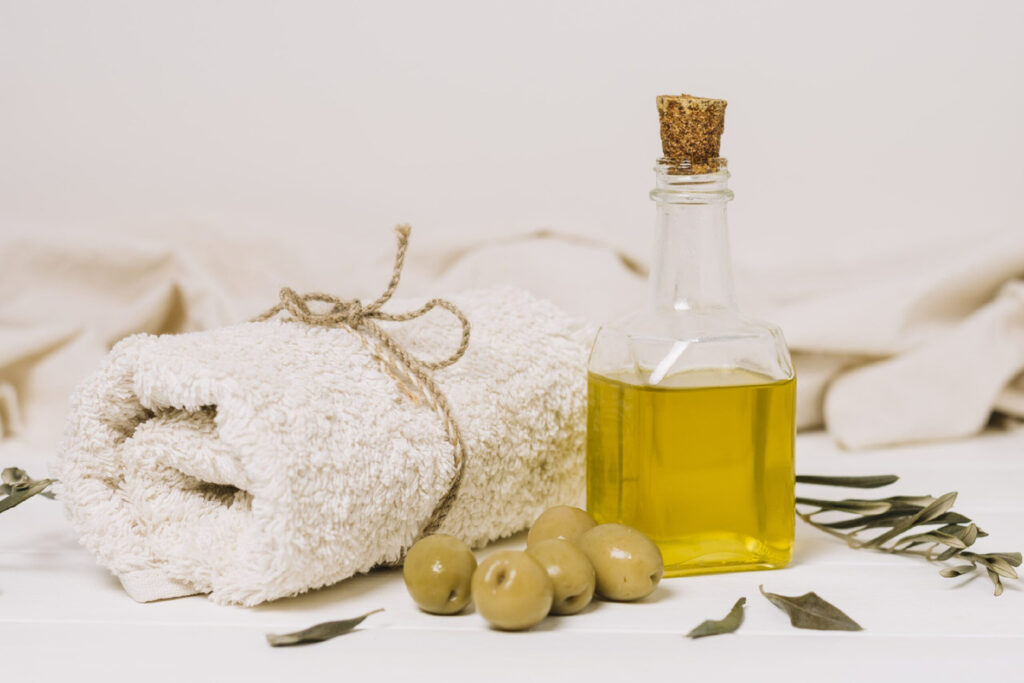
Cracked, rough heels can be more than just an aesthetic concern; they often cause discomfort and even pain when left untreated. Whilst commercial foot creams promise instant results, a simple kitchen staple offers a remarkably effective solution: olive oil. When combined with gentle heat, this natural remedy transforms even the most hardened heels into baby-soft skin. The science behind this approach lies in how warmth enhances the skin’s ability to absorb moisture, allowing the rich nutrients in olive oil to penetrate deeply and repair damaged tissue. Understanding this process reveals why this age-old remedy continues to outperform many modern alternatives.
Understanding rough heels and their causes
The anatomy of dry, cracked heels
The skin on our heels differs significantly from skin elsewhere on the body. It contains fewer oil glands and endures constant pressure from standing and walking. When this skin loses moisture faster than it can be replenished, it becomes thick, dry and prone to cracking. These fissures, known medically as heel fissures, can range from superficial splits to deep, painful wounds that may even bleed.
Common contributing factors
Several factors accelerate heel deterioration:
- Environmental conditions: cold weather, low humidity and exposure to harsh elements strip natural oils from the skin
- Prolonged standing: occupations requiring extended periods on one’s feet increase pressure on heels
- Inadequate footwear: open-backed shoes fail to support the heel’s natural fat pad, causing it to expand sideways and crack
- Insufficient hydration: dehydration affects skin elasticity throughout the body, particularly in extremities
- Medical conditions: diabetes, eczema, psoriasis and thyroid disorders can compromise skin health
- Age-related changes: natural collagen loss reduces skin’s ability to retain moisture
Why conventional approaches sometimes fall short
Many commercial foot creams contain synthetic ingredients that sit on the skin’s surface rather than penetrating deeply. Without proper absorption, these products provide temporary relief but fail to address underlying dryness. Additionally, some formulations include alcohol or fragrances that further dry out sensitive skin, creating a counterproductive cycle.
Recognising these limitations highlights the need for natural alternatives that work with the skin’s biology rather than against it, which brings us to the remarkable properties of olive oil.
The benefits of olive oil for softening the skin
Nutritional composition and skin health
Extra virgin olive oil contains an exceptional blend of compounds that benefit skin health. Its high concentration of oleic acid, a monounsaturated fatty acid, makes it particularly effective at penetrating the skin’s outer layers. This natural emollient softens hardened tissue whilst creating a protective barrier that prevents moisture loss.
| Component | Benefit for heel skin |
|---|---|
| Vitamin E | Antioxidant protection and cell regeneration |
| Vitamin K | Improves skin elasticity and aids healing |
| Polyphenols | Anti-inflammatory properties reduce irritation |
| Squalene | Natural moisturiser that mimics skin’s own oils |
| Oleic acid | Deep penetration and barrier repair |
How olive oil repairs damaged skin
When applied to cracked heels, olive oil works on multiple levels. Its lipid-rich composition fills gaps in the skin’s protective barrier, preventing water loss whilst allowing beneficial nutrients to enter. The vitamin E content stimulates collagen production, essential for maintaining skin elasticity and preventing future cracks. Meanwhile, anti-inflammatory compounds soothe irritation and promote faster healing of existing fissures.
Advantages over synthetic moisturisers
Unlike petroleum-based products that merely coat the skin, olive oil actively nourishes it. Its molecular structure closely resembles the skin’s natural sebum, allowing seamless integration with existing skin lipids. This compatibility means minimal risk of allergic reactions or irritation, making it suitable even for sensitive skin. Furthermore, olive oil contains no harsh chemicals, preservatives or artificial fragrances that might compromise skin health.
However, applying olive oil alone only achieves partial results; the true transformation occurs when combined with a specific wrapping technique and controlled heat application.
How the olive oil wrap works on heels
The wrapping technique explained
The olive oil wrap method creates an occlusive environment that maximises moisture retention and nutrient absorption. After thoroughly cleansing and gently exfoliating the feet, a generous amount of olive oil is massaged into the heels and surrounding areas. The feet are then wrapped in cling film or placed inside plastic bags, followed by cotton socks. This layering serves multiple purposes: it prevents the oil from transferring to bedding, maintains constant contact between oil and skin, and crucially, traps body heat.
Creating the optimal absorption environment
The wrap’s effectiveness stems from its ability to create a micro-climate around the heel. Within this enclosed space, several beneficial processes occur simultaneously:
- The skin’s surface temperature rises slightly, increasing blood flow to the area
- Natural perspiration mixes with the olive oil, creating an enhanced moisturising solution
- The occlusive barrier prevents evaporation, forcing moisture and nutrients into the skin
- Dead skin cells soften, making them easier to remove during subsequent exfoliation
Duration and timing considerations
For optimal results, the wrap should remain in place for at least two hours, though overnight application yields the most dramatic improvements. Evening application proves particularly effective because the body’s natural repair processes accelerate during sleep. The feet remain stationary, allowing uninterrupted contact between oil and skin. Additionally, overnight treatment eliminates the inconvenience of walking with slippery feet.
Whilst the wrapping technique provides the foundation for transformation, understanding the scientific relationship between heat and moisture absorption reveals why this method achieves such remarkable results.
The role of heat in moisture absorption
Thermodynamics of skin hydration
Heat fundamentally alters how skin absorbs moisture. When skin temperature increases, several physiological changes occur that enhance penetration. The lipid bilayers within the stratum corneum (skin’s outermost layer) become more fluid, creating temporary channels through which molecules can pass more easily. This increased permeability allows olive oil’s beneficial compounds to reach deeper skin layers where they can effect lasting change.
Vascular response and nutrient delivery
Warmth triggers vasodilation, the widening of blood vessels near the skin’s surface. This increased blood flow delivers more oxygen and nutrients to skin cells whilst simultaneously removing metabolic waste products. Enhanced circulation accelerates the healing process for existing cracks and supports the regeneration of healthy tissue. The combination of external nourishment from olive oil and improved internal circulation creates ideal conditions for rapid skin repair.
Methods for applying therapeutic heat
Several approaches can supplement the natural warmth trapped by wrapping:
- Warm foot soak: soaking feet in warm water before applying olive oil opens pores and softens hardened skin
- Heated towels: wrapping feet in towels warmed in a dryer or microwave intensifies the treatment
- Thermal socks: specially designed socks that retain heat provide extended warmth throughout the night
- Hot water bottle: placing feet near (not directly on) a hot water bottle maintains elevated temperature
Temperature safety guidelines
Whilst heat enhances absorption, excessive temperatures can damage skin or cause burns. The ideal temperature range falls between 37°C and 42°C, slightly above normal body temperature but comfortably warm to touch. Individuals with diabetes or peripheral neuropathy should exercise particular caution, as reduced sensation in the feet may prevent them from detecting harmful heat levels. Always test temperature with a sensitive area like the inner wrist before application.
Understanding these principles allows for the development of a systematic approach that delivers consistent, long-lasting results.
Daily routine for baby-soft heels
Weekly intensive treatment schedule
Achieving and maintaining baby-soft heels requires consistency rather than intensity. A comprehensive weekly routine includes:
- Monday and Thursday evenings: full olive oil wrap treatment left on overnight
- Tuesday and Friday mornings: gentle exfoliation with a pumice stone after removing wrap
- Daily: light application of olive oil after showering, focusing on problem areas
- Weekend: extended foot soak followed by thorough moisturising
Proper exfoliation techniques
Exfoliation removes softened dead skin, allowing fresh layers to benefit from subsequent treatments. However, over-exfoliation can damage healthy tissue and worsen cracking. Use a pumice stone or foot file on damp (never dry) skin, applying gentle pressure in circular motions. Focus on thickened areas whilst avoiding broken skin or active fissures. Limit aggressive exfoliation to twice weekly, allowing skin adequate recovery time between sessions.
Maintenance between intensive treatments
Between full wrap treatments, maintain progress with these simple practices:
| Time of day | Action | Purpose |
|---|---|---|
| Morning | Apply light layer of olive oil | Maintains overnight moisture gains |
| After bathing | Pat dry and immediately moisturise | Seals in water absorbed during washing |
| Before bed | Quick olive oil massage | Supports overnight repair processes |
Lifestyle adjustments for lasting results
External treatments work best when supported by overall health improvements. Increase water intake to ensure adequate systemic hydration, as internal moisture levels directly affect skin condition. Choose supportive, closed-back footwear that cushions heels and prevents excessive spreading. Consider adding a humidifier to living spaces during dry months, maintaining ambient moisture levels that prevent skin dehydration.
Whilst this routine addresses most cases of rough heels, some situations benefit from additional interventions that complement the olive oil wrap method.
Complementary solutions for perfectly smooth heels
Natural ingredient combinations
Enhancing olive oil with other natural ingredients can address specific concerns. Adding honey introduces antibacterial properties beneficial for healing small cracks. Mixing in a few drops of lavender or tea tree essential oil provides antimicrobial protection whilst promoting relaxation. For particularly stubborn calluses, creating a paste with olive oil and brown sugar offers gentle chemical exfoliation alongside mechanical removal.
Dietary considerations for skin health
Skin condition reflects overall nutritional status. Ensure adequate intake of:
- Omega-3 fatty acids: found in fish, flaxseed and walnuts, these support skin barrier function
- Vitamin C: essential for collagen synthesis and wound healing
- Zinc: crucial for skin repair and immune function
- Biotin: supports healthy skin cell production
When to seek professional advice
Most cases of rough heels respond well to home treatment, but certain situations warrant professional consultation. Seek medical advice if cracks bleed frequently, show signs of infection (redness, warmth, pus), cause severe pain, or fail to improve after several weeks of consistent treatment. Individuals with diabetes should have regular foot examinations, as compromised circulation and nerve function increase complication risks.
Professional treatments that complement home care
Podiatrists offer treatments that enhance home routines. Professional debridement removes thick calluses more effectively than home methods. Custom orthotics redistribute pressure away from vulnerable heel areas. Medical-grade moisturisers containing urea or salicylic acid provide stronger exfoliation for severe cases. These interventions work synergistically with olive oil wraps, accelerating progress towards smooth, healthy heels.
The olive oil wrap method represents a scientifically sound, cost-effective approach to transforming rough heels into baby-soft skin. By harnessing heat’s ability to enhance moisture absorption, this natural remedy delivers results comparable to expensive spa treatments. Regular application, combined with proper exfoliation and supportive lifestyle choices, maintains improvements long-term. The simplicity of this technique makes it accessible to anyone seeking healthier, more comfortable feet without relying on synthetic products or professional interventions. Whether addressing mild dryness or severe cracking, the olive oil wrap offers a gentle yet powerful solution grounded in both traditional wisdom and modern understanding of skin physiology.