

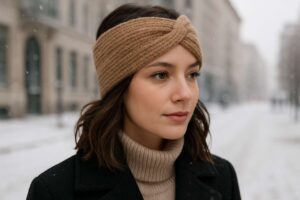

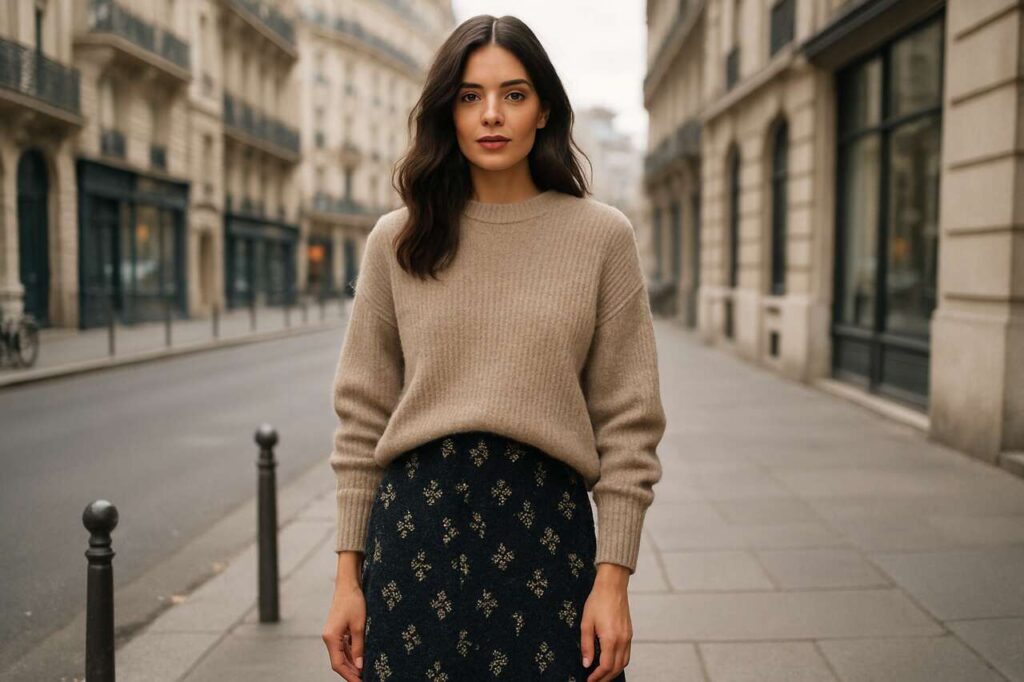
The art of dressing for winter often feels like a compromise between style and warmth, yet this season proves otherwise. Layering a jumper over a dress has emerged as one of the most versatile styling techniques, allowing fashion enthusiasts to extend the life of their summer wardrobe whilst staying cosy. This approach transforms simple pieces into sophisticated outfits that work seamlessly from morning coffee runs to evening gatherings. The key lies in understanding which combinations work best and how to execute them with confidence.
Understanding the Trend: why Layer a Jumper Over a Dress ?
The practical benefits of layering
Layering a jumper over a dress serves multiple purposes beyond mere aesthetics. This technique provides essential insulation during colder months whilst maintaining a feminine silhouette. Rather than relegating favourite dresses to the back of the wardrobe, this styling method breathes new life into pieces that might otherwise remain unworn for half the year. The combination creates visual interest through texture and dimension, adding depth to what could be a flat, single-layer outfit.
Fashion versatility and wardrobe economy
The financial and environmental advantages of this trend cannot be overlooked. By reimagining existing pieces, fashion-conscious individuals can:
- Maximise their wardrobe potential without purchasing new items
- Create numerous outfit combinations from limited pieces
- Reduce clothing waste by wearing summer dresses year-round
- Adapt quickly to fluctuating indoor and outdoor temperatures
This approach aligns perfectly with sustainable fashion principles, encouraging creative styling rather than constant consumption. The layered look also offers practical flexibility, allowing wearers to remove the jumper when entering heated spaces without compromising their overall appearance.
Beyond these practical considerations, the styling possibilities extend into exploring how different fabrics work together to create compelling visual effects.
Choosing the Right Textures for a Trendy Look
Matching fabric weights and structures
The success of this layering technique depends heavily on selecting complementary textures. A chunky cable-knit jumper pairs beautifully with a lightweight cotton or silk dress, creating contrast through weight and structure. Conversely, a fine merino wool jumper works well with heavier fabrics such as corduroy or thick jersey dresses. The golden rule involves balancing thickness: if one layer is substantial, the other should be relatively lightweight to avoid bulk.
| Jumper Texture | Best Dress Fabric | Style Effect |
|---|---|---|
| Chunky knit | Silk, satin, thin cotton | Casual, cosy, textured |
| Fine cashmere | Wool, jersey, velvet | Sophisticated, sleek |
| Ribbed cotton | Linen, poplin, chambray | Relaxed, everyday |
| Mohair blend | Crepe, georgette | Romantic, soft |
Creating visual interest through texture contrast
The interplay between smooth and textured surfaces generates visual appeal. A fluffy angora jumper over a sleek satin slip dress creates an eye-catching juxtaposition that feels both luxurious and contemporary. Similarly, a structured knit with visible stitching patterns adds dimension when layered over a plain dress. Consider these successful combinations:
- Waffle-knit jumpers with flowing chiffon dresses
- Ribbed turtlenecks beneath pinafore or dungaree dresses
- Oversized cardigans with fitted bodycon dresses
- Cropped jumpers with midi or maxi length dresses
Experimentation remains crucial, as personal style preferences and body proportions influence which textures work best for each individual. Once texture combinations are mastered, attention naturally shifts towards the equally important element of colour coordination.
Playing with Colours: achieving Harmony and Contrast
Monochromatic schemes for sophisticated simplicity
A monochromatic approach offers effortless elegance and visual elongation. Pairing a cream jumper with a beige dress, or a charcoal grey knit with a black dress creates a streamlined silhouette that appears polished and intentional. This technique works particularly well for professional settings or occasions requiring understated sophistication. Varying the shades within the same colour family adds subtle depth without overwhelming the eye.
Bold contrasts for statement looks
For those seeking more adventurous styling, colour contrast provides endless opportunities. Consider these dynamic pairings:
- Mustard yellow jumper over a navy floral dress
- Forest green knit with a burgundy or rust-coloured dress
- Bright red jumper layered over a black and white patterned dress
- Soft pink cardigan with an emerald green dress
Pattern mixing strategies
Combining patterns requires confidence but yields striking results. When layering a patterned jumper over a patterned dress, ensure one pattern dominates whilst the other plays a supporting role. A large-scale geometric jumper pairs well with small floral prints, whilst striped knits complement polka dot dresses effectively. The key lies in maintaining a common colour thread between both patterns.
| Jumper Pattern | Dress Pattern | Colour Link |
|---|---|---|
| Fair Isle | Solid or subtle texture | Pick one accent colour from jumper |
| Solid colour | Bold florals or graphics | Match jumper to dress background |
| Thin stripes | Small dots or checks | Complementary tones |
With colour harmony established, the finishing touches through carefully selected accessories elevate the entire ensemble.
How to Accessorise for a Bold Style
Defining the waistline
A well-placed belt transforms the proportions of a jumper-over-dress combination. Cinching the waist over the jumper creates definition and prevents the outfit from appearing shapeless. Leather belts add structure, whilst fabric or chain belts introduce softer detailing. Position the belt at the natural waist for classic styling, or slightly higher for a more fashion-forward approach.
Footwear choices that complete the look
Shoe selection significantly impacts the overall aesthetic. The following options suit different occasions:
- Knee-high leather boots for a polished, elongating effect
- Ankle boots with chunky heels for casual sophistication
- Loafers or brogues for a preppy, intellectual vibe
- Trainers for relaxed weekend styling
- Heeled booties for evening elegance
Layering accessories for warmth and style
Tights or leggings provide essential warmth without compromising style. Opaque black tights remain a versatile choice, whilst coloured or patterned options add personality. Thick wool tights in neutral tones complement chunkier knits, whereas sheer or semi-opaque hosiery suits finer jumpers. Additional accessories include:
- Scarves that echo colours from either the jumper or dress
- Statement earrings that draw attention upwards
- Structured handbags for daytime, clutches for evening
- Layered necklaces that fill the neckline space
Whilst accessories enhance an outfit, certain styling errors can undermine even the most thoughtful combinations.
Ideas to Avoid Fashion Missteps
Proportion pitfalls to sidestep
Overwhelming the frame with excessive volume ranks amongst the most common mistakes. Pairing an oversized jumper with a voluminous dress creates unflattering bulk. Balance remains essential: if the jumper is loose, choose a fitted dress, and vice versa. Similarly, avoid jumpers that completely obscure the dress beneath, as this defeats the layering purpose.
Length considerations
The relationship between jumper and dress length requires careful attention. A jumper that ends at exactly the same point as the dress hemline creates an awkward visual break. Consider these guidelines:
- Cropped jumpers work best with midi or maxi dresses
- Hip-length jumpers suit shorter dresses
- Longline cardigans pair well with knee-length dresses
- Ensure at least 5-10 centimetres of dress remain visible below the jumper
Fabric and fit errors
Clinging fabrics layered together create uncomfortable bunching. Avoid pairing two stretchy, clingy materials, as they will ride up and require constant adjustment. Similarly, excessively thick combinations restrict movement and appear stiff. Test the outfit by sitting, walking and raising arms to ensure comfort throughout wear.
Understanding these common mistakes naturally leads to considering how individual body shapes and specific occasions influence styling choices.
Adapting the Look Based on Body Shape and Occasion
Styling for different body types
Tailoring the jumper-dress combination to individual proportions ensures the most flattering results. For petite frames, cropped jumpers with fitted dresses prevent overwhelming smaller statures. Taller individuals can embrace longer cardigans and maxi dresses. Those with hourglass figures benefit from belted styles that emphasise the waist, whilst rectangle body shapes gain definition through textured jumpers that add visual interest.
| Body Shape | Recommended Style | What to Avoid |
|---|---|---|
| Petite | Cropped jumpers, fitted dresses | Oversized everything |
| Tall | Maxi dresses, longline cardigans | Very short combinations |
| Hourglass | Belted waist, fitted layers | Shapeless oversized styles |
| Rectangle | Textured jumpers, volume at hip | Completely straight silhouettes |
Occasion-appropriate styling
The versatility of this trend allows adaptation for various settings. Professional environments call for structured pieces: a fine-knit turtleneck beneath a tailored dress with a blazer creates office-appropriate sophistication. Weekend casual styling embraces relaxed fits, chunky knits and comfortable footwear. Evening occasions benefit from luxurious fabrics, statement accessories and heeled footwear.
Layering a jumper over a dress represents far more than a practical solution to cold weather. This styling technique offers creative freedom, wardrobe versatility and sustainable fashion choices. By understanding texture combinations, colour theory, accessorising principles and proportion management, anyone can master this trend. The key lies in experimentation, confidence and adapting general guidelines to personal style preferences. Whether heading to work, meeting friends or attending an event, this approach ensures warmth without sacrificing style throughout the winter months.