



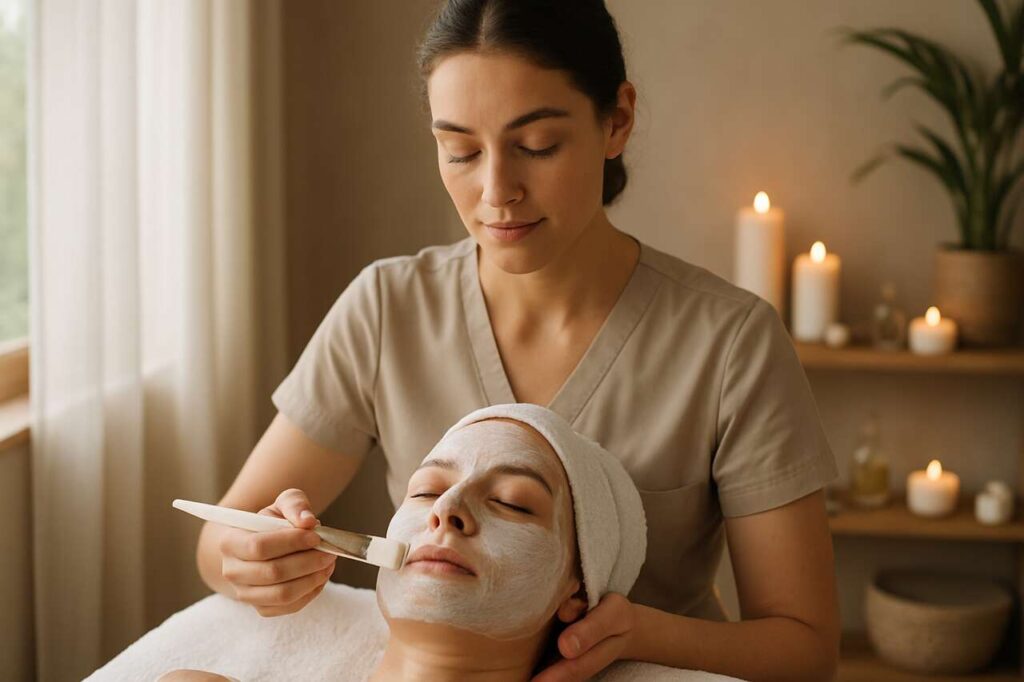
Facial treatments have become a cornerstone of modern skincare routines, yet confusion persists about the optimal frequency for booking these professional sessions. Whilst some swear by monthly appointments, others question whether such regularity is necessary or simply marketing hype. Skincare professionals have weighed in on this debate, offering evidence-based guidance that considers individual skin needs, treatment types, and lifestyle factors. Understanding the science behind facial frequency can help you make informed decisions about your skincare investment and achieve the best possible results for your complexion.
The benefits of facial treatments
Deep cleansing and exfoliation
Professional facials provide a level of deep cleansing that daily routines simply cannot match. Aestheticians use specialised tools and techniques to remove impurities, blackheads, and dead skin cells that accumulate deep within pores. This thorough cleansing prevents congestion, reduces breakouts, and creates a smoother canvas for skincare products to penetrate more effectively.
Enhanced product absorption
Following professional exfoliation, the skin becomes significantly more receptive to active ingredients. Serums, moisturisers, and treatments applied during and after a facial can penetrate up to ten times more effectively than on untreated skin. This enhanced absorption means your skincare products work harder and deliver more visible results, making them a worthwhile investment in your overall routine.
Improved circulation and lymphatic drainage
The massage techniques employed during facials stimulate blood flow and encourage lymphatic drainage, which helps eliminate toxins and reduce puffiness. This increased circulation delivers oxygen and nutrients to skin cells, promoting a healthy glow and supporting the skin’s natural repair processes. Regular treatments can improve skin tone, reduce dark circles, and create a more sculpted facial contour.
Professional skin analysis and guidance
Beyond the immediate treatment benefits, facials offer valuable opportunities for professional assessment of your skin’s condition. Trained aestheticians can identify concerns you might have missed, recommend appropriate products, and adjust your homecare routine accordingly. This expert guidance ensures your skincare strategy remains effective as your skin’s needs evolve with age, season, and lifestyle changes.
Understanding these multifaceted benefits helps explain why skincare professionals emphasise the importance of regular treatments, though the definition of “regular” varies considerably depending on individual circumstances.
Recommended frequency of facial treatments
The 28-day skin cycle principle
Most skincare experts recommend scheduling facials approximately every four weeks, aligning with the skin’s natural renewal cycle. During this period, new skin cells form in the deeper layers, gradually moving to the surface where they eventually shed. Timing treatments to coincide with this cycle ensures you’re supporting the skin’s natural processes rather than working against them, maximising the effectiveness of each session.
Variations based on age and skin condition
The standard monthly recommendation serves as a baseline, but individual needs vary significantly. Younger skin with minimal concerns might maintain excellent results with treatments every six to eight weeks, whilst mature skin or those addressing specific issues may benefit from more frequent sessions initially. The following factors influence optimal frequency:
- Age and natural cell turnover rate
- Severity of skin concerns being addressed
- Overall skin health and resilience
- Environmental exposure and lifestyle factors
- Budget and time availability
Intensive treatment protocols
When addressing specific skin concerns such as acne, hyperpigmentation, or significant sun damage, aestheticians often recommend more frequent treatments initially. A series of weekly or fortnightly facials over several months can produce dramatic improvements, after which maintenance sessions every four to six weeks help preserve results. This intensive approach allows for progressive improvement whilst preventing skin from becoming overwhelmed or sensitised.
Maintenance versus corrective schedules
It’s important to distinguish between corrective treatments aimed at resolving specific issues and maintenance facials designed to preserve healthy skin. Corrective protocols typically require more frequent sessions, whilst maintenance treatments can be spaced further apart once desired results are achieved. Your aesthetician should clearly communicate which approach suits your current skin status and adjust the schedule as your skin responds to treatment.
These general guidelines provide a framework, but the effectiveness of any facial schedule depends heavily on selecting treatments appropriate for your unique skin type and concerns.
Different types of facials
Classic European facials
Traditional European facials follow a systematic approach including cleansing, exfoliation, extractions, massage, mask application, and moisturisation. These comprehensive treatments suit most skin types and provide balanced benefits without aggressive techniques. The gentle nature of classic facials makes them ideal for sensitive skin or those new to professional treatments, offering noticeable improvements without significant downtime.
Chemical peels and enzyme treatments
Chemical peels use acids of varying strengths to dissolve dead skin cells and stimulate cellular renewal. Superficial peels can be performed monthly, whilst medium-depth peels require longer intervals of several months. Enzyme treatments offer a gentler alternative, using fruit-derived enzymes to exfoliate without the potential irritation of chemical acids. Both options effectively address texture concerns, pigmentation, and signs of ageing.
Hydrating and nourishing facials
Designed specifically for dry or dehydrated skin, these treatments focus on replenishing moisture levels through intensive hydration masks, serums rich in hyaluronic acid, and occlusive moisturisers. Hydrating facials can be performed more frequently than exfoliating treatments, even fortnightly during particularly dry seasons or after exposure to harsh environmental conditions. They’re particularly beneficial for mature skin or following more aggressive treatments.
Specialised technology-based treatments
Modern facials increasingly incorporate advanced technologies such as LED light therapy, microcurrent, ultrasound, or radiofrequency. These treatments target specific concerns with precision:
- LED therapy for acne, inflammation, or collagen stimulation
- Microcurrent for facial toning and lifting
- Ultrasound for enhanced product penetration
- Radiofrequency for skin tightening and wrinkle reduction
Technology-based facials often require series of treatments performed weekly or fortnightly for optimal results, followed by monthly maintenance sessions.
Selecting the appropriate facial type depends largely on understanding your skin’s unique characteristics and requirements, which vary considerably between individuals.
The importance of care according to skin type
Oily and acne-prone skin considerations
Oily skin benefits from regular professional treatments that control sebum production and prevent congestion. Monthly facials incorporating deep cleansing, extractions, and clarifying masks help maintain clear pores and prevent breakouts. However, over-treatment can stimulate increased oil production, so balancing professional sessions with appropriate homecare proves essential for long-term management.
Dry and sensitive skin requirements
Delicate skin types require gentle, nourishing treatments that strengthen the skin barrier rather than compromising it through aggressive exfoliation. Facials for sensitive skin should focus on hydration, soothing ingredients, and minimal manipulation. Spacing treatments every five to six weeks prevents over-stimulation whilst still providing necessary support for compromised skin barriers.
Combination skin strategies
Managing combination skin presents unique challenges, requiring treatments that address both oily and dry zones simultaneously. Skilled aestheticians customise product application, using mattifying treatments on the T-zone whilst applying richer formulations to drier cheek areas. Monthly facials allow for seasonal adjustments as combination skin often shifts between more oily or dry depending on weather conditions.
Mature and ageing skin protocols
Ageing skin benefits from treatments that stimulate collagen production, improve elasticity, and address pigmentation concerns. A combination approach works best:
| Treatment type | Frequency | Primary benefit |
|---|---|---|
| Gentle exfoliation | Monthly | Cell turnover stimulation |
| Hydrating treatments | Every 3-4 weeks | Plumping and moisture retention |
| Anti-ageing peels | Quarterly | Collagen stimulation |
| Technology treatments | Series then monthly | Firmness and tone improvement |
Understanding these skin-type-specific needs helps explain why professional facials cannot be replaced entirely by at-home treatments, though home routines certainly play a complementary role.
At-home facials: effective or not ?
Benefits and limitations of DIY treatments
Home facials offer convenient maintenance between professional appointments and can extend treatment benefits when performed correctly. Quality masks, gentle exfoliants, and facial massage tools allow you to maintain skin health without constant salon visits. However, at-home treatments cannot replicate the deep cleansing, professional-grade products, and expert technique that trained aestheticians provide.
Recommended home facial frequency
Skincare professionals typically suggest performing simplified facials at home weekly or fortnightly, depending on skin type. A basic routine might include thorough cleansing, gentle exfoliation, a treatment mask suited to your skin concerns, and moisturisation. This regular attention helps maintain results between professional treatments without over-stressing the skin.
When to avoid home treatments
Certain situations warrant caution with at-home facials. Avoid DIY treatments when experiencing:
- Active breakouts or inflamed acne
- Sunburn or irritated skin
- Immediately before important events
- Following professional peels or laser treatments
- When using prescription retinoids or other strong actives
Attempting extractions at home proves particularly risky, potentially causing scarring, infection, or worsening congestion. This aspect of facial treatments should remain strictly professional.
Maximising home treatment effectiveness
To ensure your at-home facials provide genuine benefits, invest in quality products appropriate for your skin type and follow proper techniques. Steam or warm compresses open pores before applying treatment masks, whilst finishing with cool water helps close them. Always apply products to freshly cleansed skin and follow manufacturer instructions regarding application time and frequency.
Whether performed professionally or at home, the true value of any facial treatment lies in what you do afterwards to maintain and enhance the results achieved.
Maximising results after a facial
Immediate post-treatment care
The first 24 to 48 hours following a facial prove critical for optimal results. Skin remains more receptive to products but also more vulnerable to irritation. Avoid heavy makeup, intense exercise, hot showers, and direct sun exposure during this period. Allow your skin to fully absorb the treatment benefits without introducing potential irritants that could compromise results.
Maintaining professional results at home
Consistent daily skincare habits determine how long facial benefits last. Follow your aesthetician’s product recommendations, maintain a routine suited to your skin type, and protect your skin with broad-spectrum SPF daily. Regular cleansing, appropriate moisturisation, and weekly exfoliation help preserve the clarity and glow achieved during professional treatments.
Lifestyle factors affecting treatment longevity
Several lifestyle elements significantly impact how well your skin maintains post-facial improvements:
- Adequate hydration supporting skin moisture levels
- Balanced nutrition providing essential vitamins and antioxidants
- Sufficient sleep allowing cellular repair processes
- Stress management preventing inflammation and breakouts
- Limited alcohol and smoking avoiding skin-damaging behaviours
Scheduling follow-up appointments strategically
Book your next facial before leaving the salon to ensure consistent treatment intervals. Regular appointments allow your aesthetician to track progress, adjust treatments as needed, and maintain momentum towards your skin goals. Inconsistent scheduling disrupts the cumulative benefits that regular facials provide, requiring you to essentially start over with each sporadic visit.
Professional facial treatments offer undeniable benefits for skin health and appearance when performed at appropriate intervals. The optimal frequency depends on individual skin type, specific concerns, treatment intensity, and lifestyle factors. Whilst monthly sessions align well with natural skin renewal cycles for most people, some may thrive with less frequent maintenance whilst others require more intensive schedules initially. The key lies in working with a qualified aesthetician who can assess your unique needs and create a personalised treatment plan. Combined with diligent homecare and healthy lifestyle choices, regular facials become a valuable investment in long-term skin health rather than an occasional indulgence. Listen to your skin, consult professionals, and commit to consistency for the most rewarding results.