


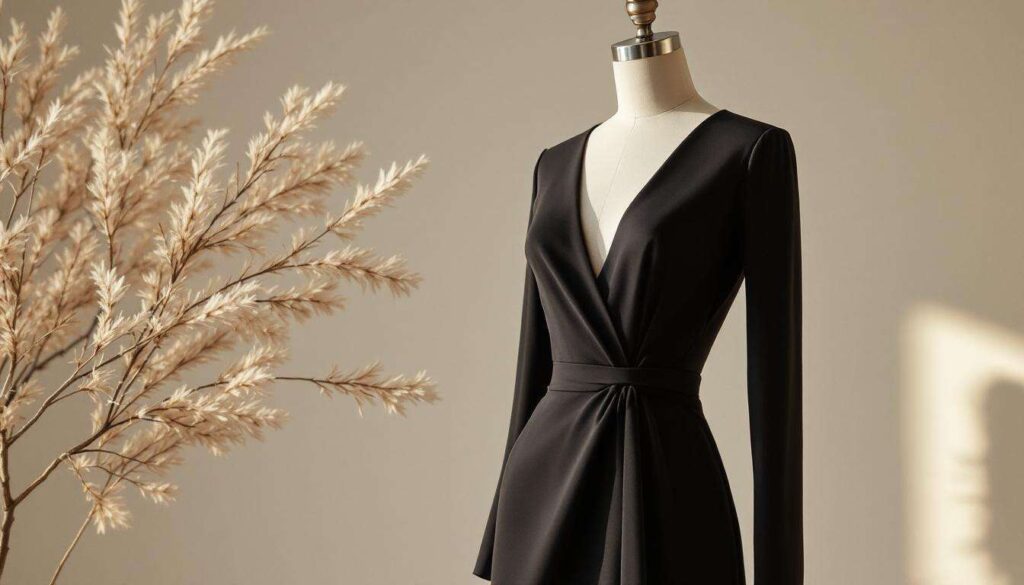
The fashion landscape is experiencing a notable transformation as winter wardrobes embrace a fresh silhouette that challenges the dominance of the sweater dress. This season witnesses the emergence of a more refined alternative that combines elegance with versatility, offering flattering lines for diverse body types whilst maintaining the warmth essential for colder months. The shift reflects a broader movement towards garments that prioritise both comfort and sophistication, moving away from bulky knits towards streamlined designs that enhance rather than conceal the figure.
The new iconic dress: a winter essential
The emergence of structured knit designs
The fashion industry has identified structured knit dresses as the standout piece for this winter season. Unlike traditional sweater dresses that often add unwanted volume, these designs incorporate architectural elements that create definition whilst retaining the cosy qualities of knitwear. The key distinction lies in their construction: strategic seaming, fitted bodices, and carefully placed draping work together to sculpt the silhouette rather than overwhelm it.
Why this dress has captured attention
Several factors contribute to the rise of this winter essential:
- Enhanced tailoring techniques that create shape without sacrificing comfort
- Midweight fabrics that provide warmth without bulk
- Versatile designs suitable for both professional and social settings
- Adaptability across different body types and personal styles
The structured knit dress represents a sophisticated evolution in winter dressing, addressing the common complaint that knitted garments can appear shapeless. By incorporating design elements typically associated with tailored clothing, these dresses offer the best of both worlds: the comfort of knitwear with the polish of more formal attire.
Understanding what makes this dress superior requires examining its specific advantages over the sweater dress staple.
Why it outshines the sweater dress
The flattery factor
Traditional sweater dresses, whilst comfortable, often create a boxy silhouette that can be unflattering for many body types. The new structured alternatives address this concern through:
| Feature | Sweater dress | Structured knit dress |
|---|---|---|
| Silhouette | Often shapeless and loose | Defined waistline and contoured fit |
| Fabric weight | Heavy, potentially bulky | Balanced weight with strategic thickness |
| Versatility | Primarily casual settings | Transitions from office to evening |
| Styling options | Limited accessorising potential | Multiple styling possibilities |
Superior construction and design
The technical superiority of structured knit dresses becomes evident in their construction methods. These garments utilise panel construction that mirrors tailoring techniques, creating natural waist definition and enhancing proportions. Ribbed sections strategically placed along the sides provide a slimming effect, whilst textured patterns add visual interest without adding physical bulk.
Practical advantages for daily wear
Beyond aesthetics, these dresses offer functional benefits that make them more practical than their sweater dress predecessors. The structured nature means they maintain their shape throughout the day, resist stretching, and require less frequent adjustment. The refined appearance eliminates the need for extensive layering to achieve a polished look, simplifying morning routines whilst ensuring appropriate warmth.
Knowing the advantages is only the beginning; mastering the art of wearing these dresses requires specific styling knowledge.
How to wear it elegantly
Creating the perfect proportions
The key to wearing structured knit dresses lies in balancing proportions throughout the entire outfit. For knee-length styles, consider these approaches:
- Pair with knee-high boots to create an unbroken line that elongates the legs
- Add a slim belt at the natural waist to emphasise the narrowest part of the torso
- Layer with a tailored coat that skims the body rather than adding volume
- Choose footwear with a modest heel to enhance posture and leg length
Layering techniques for depth
Whilst these dresses are designed to stand alone, strategic layering can enhance their versatility. A fitted turtleneck in a complementary shade worn underneath creates visual interest and adds warmth without disrupting the dress’s silhouette. Alternatively, a structured blazer in a contrasting texture provides definition and transforms the look for professional environments.
Achieving monochromatic sophistication
The monochromatic approach proves particularly effective with structured knit dresses. Selecting accessories, outerwear, and hosiery in similar tonal families creates a streamlined appearance that appears effortlessly chic. This technique works especially well with neutral palettes, allowing the dress’s construction and texture to become the focal point rather than competing colour combinations.
The choice of fabric plays an equally crucial role in ensuring these dresses flatter every figure type.
Fabrics that flatter all figures
The science of flattering textiles
Not all knit fabrics are created equal when it comes to creating flattering silhouettes. The most successful structured knit dresses utilise ponte knit or similar double-knit constructions that offer substantial weight without cling. These fabrics possess inherent structure that smooths the body whilst providing gentle compression that enhances rather than restricts.
Texture considerations for different body types
Understanding which textures work best for specific figures ensures optimal results:
| Body type | Recommended fabric | Effect achieved |
|---|---|---|
| Hourglass | Ribbed knits with vertical lines | Emphasises natural curves |
| Pear shape | Textured upper with smooth lower | Balances proportions |
| Apple shape | Medium-weight ponte with drape | Skims midsection elegantly |
| Rectangle | Mixed textures with waist definition | Creates curves and dimension |
The role of fabric blends
The most flattering structured knit dresses typically contain a blend of natural and synthetic fibres. Wool or cotton provides warmth and breathability, whilst elastane or nylon contributes recovery and shape retention. This combination ensures the dress maintains its structure throughout wear whilst adapting comfortably to movement. Blends containing approximately 5-10% stretch fibres offer the ideal balance between structure and comfort.
With the right fabric selected, drawing inspiration from current styling trends helps maximise the potential of these versatile garments.
Style inspirations to shine this season
The minimalist approach
One prevailing styling direction embraces minimalist aesthetics that allow the dress’s construction to speak for itself. This approach involves:
- Selecting dresses in neutral tones such as camel, charcoal, or navy
- Pairing with simple leather ankle boots in matching shades
- Adding a single statement piece of jewellery rather than multiple accessories
- Choosing structured handbags with clean lines
The textural contrast method
Another compelling styling strategy involves creating textural contrast between the dress and accompanying pieces. Pairing a smooth ponte knit dress with suede boots, a leather jacket, and a wool coat creates visual richness whilst maintaining cohesion. This approach adds depth to the overall ensemble without introducing competing patterns or colours.
Embracing oversized outerwear
The trend towards oversized silhouettes in outerwear complements structured knit dresses beautifully. An oversized coat worn over a fitted dress creates an intentional contrast that appears fashion-forward whilst remaining practical. The key lies in ensuring the coat’s proportions are deliberately oversized rather than simply ill-fitting, with dropped shoulders and extended sleeves that clearly signal intentional styling choices.
Completing these looks with carefully chosen accessories elevates the entire outfit from simple to sophisticated.
Accessories that elevate the outfit
Footwear foundations
The choice of footwear dramatically impacts the overall impression created by a structured knit dress. Knee-high boots in supple leather create an elegant line that works particularly well with midi-length styles. For a more contemporary edge, chunky-soled ankle boots provide contrast against the dress’s refined silhouette whilst maintaining comfort for extended wear.
Belt strategies for definition
Even though structured knit dresses possess inherent waist definition, adding a slim leather belt can further enhance this feature. The belt should sit at the natural waist rather than the hips, creating the most flattering proportions. Opting for belts in complementary rather than matching colours adds subtle visual interest without overwhelming the outfit’s cohesion.
Jewellery and finishing touches
The refined nature of structured knit dresses pairs well with understated jewellery that adds polish without distraction:
- Fine gold or silver chains that sit at the collarbone
- Small hoop or stud earrings that catch light subtly
- A classic watch with a leather strap
- Delicate rings that complement rather than compete
The handbag selection should echo the dress’s structured aesthetic. Structured totes or crossbody bags with clean lines and minimal hardware maintain the sophisticated tone whilst providing practical functionality for daily activities.
The shift towards structured knit dresses represents more than a fleeting trend; it signals a maturation in winter dressing that prioritises flattering silhouettes without sacrificing comfort. These versatile garments address the common pitfalls of traditional sweater dresses through superior construction, strategic fabric choices, and inherent elegance that translates across various settings. By understanding how to select the right fabric for individual body types, employing effective styling techniques, and choosing complementary accessories, anyone can harness the potential of this winter’s most sophisticated dress option. The result is a wardrobe staple that combines the ease of knitwear with the polish of tailored clothing, proving that warmth and elegance need not be mutually exclusive.