

Winter headwear has long posed a dilemma for those who refuse to sacrifice their carefully styled hair for warmth. Traditional beanies, whilst effective at keeping the cold at bay, have earned a notorious reputation for flattening hairstyles, creating static, and leaving wearers with what can only be described as “hat hair”. Yet a fresh alternative is emerging on the fashion scene, offering a solution that prioritises both comfort and style without compromising either.
The impact of beanies on your hair
How traditional beanies damage your hairstyle
Conventional beanies create several problems for hair health and styling. The tight fit required to keep them secure generates friction against the hair shaft, leading to breakage and split ends over time. The compression flattens volume at the roots, leaving hair limp and lifeless once the hat is removed. For those with textured or curly hair, the effects prove even more pronounced, as the natural curl pattern becomes distorted and frizzy.
Static electricity and moisture loss
Winter conditions already strip moisture from hair, and beanies exacerbate this issue. The combination of cold outdoor air and heated indoor environments creates the perfect storm for static electricity. Synthetic fibres commonly used in beanie construction generate additional static through friction, resulting in flyaway strands that refuse to cooperate. Furthermore, the enclosed environment beneath a beanie can trap perspiration, creating an unhealthy balance of moisture that leads to scalp irritation and potential dandruff.
Long-term consequences of regular beanie wear
Consistent beanie use throughout winter months can lead to cumulative damage:
- Weakened hair follicles from constant pressure
- Increased breakage along the hairline
- Loss of natural oils through friction
- Difficulty maintaining professional hairstyles
- Reduced hair volume and body
These challenges have prompted fashion-conscious individuals to seek alternatives that provide warmth without the accompanying hair disasters, setting the stage for innovative headwear solutions.
Winter headgear trends for 2025/26
The ponytail beanie revolution
The standout trend dominating winter fashion features ponytail beanies, ingeniously designed with an opening at the crown or back. This strategic cut-out allows long hair to flow freely through the gap, maintaining hairstyles whilst providing warmth. The design accommodates various styles including high ponytails, low buns, and braids, making it exceptionally versatile for different occasions and preferences.
Material innovations in winter headwear
Contemporary winter hats now incorporate advanced fabrics that address traditional beanie shortcomings. Natural fibres such as merino wool, cashmere, and silk-lined options reduce friction and static whilst maintaining warmth. These materials allow better breathability, preventing the moisture build-up that damages hair and causes discomfort.
| Material | Benefits | Hair compatibility |
|---|---|---|
| Merino wool | Breathable, temperature-regulating | Reduces static, gentle on hair |
| Cashmere | Soft, luxurious warmth | Minimal friction, protects texture |
| Silk-lined | Smooth interior surface | Prevents breakage, maintains moisture |
| Cotton blends | Hypoallergenic, affordable | Comfortable for sensitive scalps |
These material advancements reflect a broader shift towards functional fashion that doesn’t require compromises, leading naturally to exploring specific alternatives available this season.
Six alternatives to beanies this year
Headbands and ear warmers
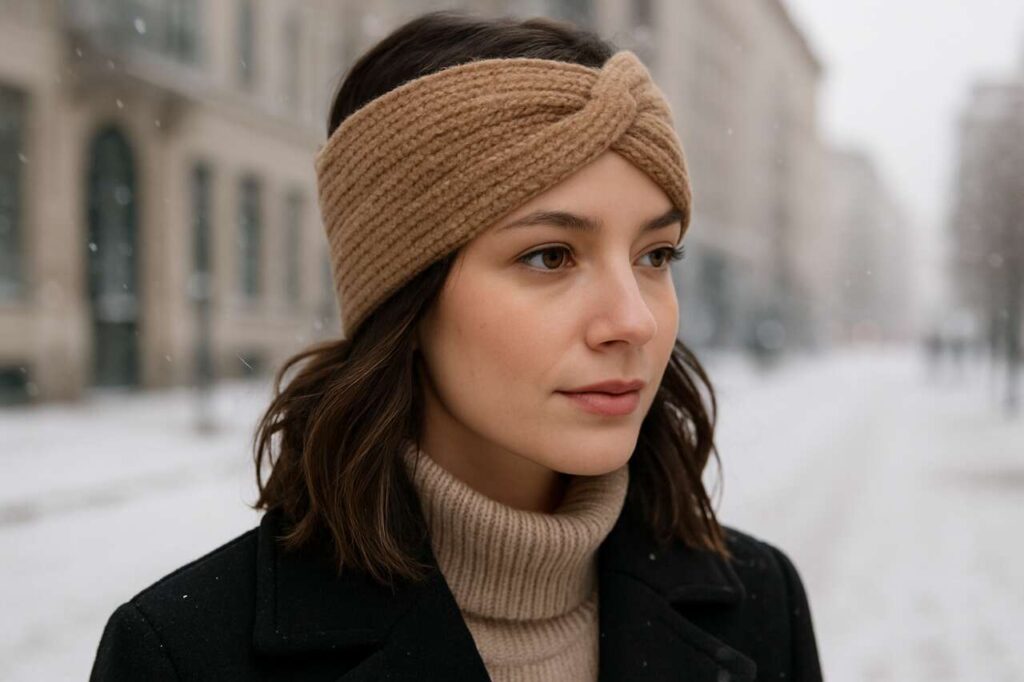
Wide knitted headbands and fleece-lined ear warmers provide targeted warmth without covering the entire head. These accessories protect the most temperature-sensitive areas whilst leaving hairstyles completely intact. Available in various widths and styles, they suit both casual and elegant winter outfits.
Slouchy berets and tam hats
The classic beret has experienced a resurgence, particularly in slouchy styles that sit loosely on the head. Unlike fitted beanies, berets allow air circulation and don’t compress hair. Wool and felt versions offer substantial warmth whilst maintaining a sophisticated aesthetic suitable for professional settings.
Wide-brimmed wool hats
Fedoras and wide-brimmed wool hats provide excellent cold weather protection whilst accommodating various hairstyles underneath. The structured crown offers ample space, preventing the compression associated with beanies. These hats also shield the face from harsh winter winds and precipitation.
Trapper and aviator styles
Trapper hats with fold-down ear flaps offer adjustable coverage. When conditions permit, the flaps can be secured on top, reducing contact with hair. The spacious interior accommodates voluminous hairstyles, and many modern versions feature removable linings for versatility across temperature ranges.
Turbans and head wraps
Fashion-forward turbans and structured head wraps provide warmth through layered fabric whilst protecting hair from the elements. These styles work particularly well for textured hair, as they can be adjusted to accommodate natural volume without flattening curls or coils.
Hooded scarves and snoods
Combination pieces that merge scarves with hoods offer flexible coverage. The loose hood design provides warmth when needed but can be lowered to rest on the shoulders, eliminating prolonged pressure on hairstyles. Infinity scarf versions with integrated hoods have become particularly popular for their practicality.
Understanding these alternatives provides the foundation for recognising the broader patterns shaping winter headwear preferences.
Winter hats: what are the trends ?
Colour palettes and patterns
This season’s colour trends favour rich jewel tones alongside classic neutrals. Deep burgundy, forest green, and navy blue dominate, whilst camel and grey remain perennial favourites. Pattern-wise, cable knits and ribbed textures continue their reign, but geometric patterns and colour-blocking have emerged as fresh alternatives.
Oversized and statement pieces
Exaggerated proportions characterise many trending styles. Oversized berets, dramatically wide-brimmed hats, and voluminous turbans make bold fashion statements whilst providing practical benefits. The additional space these designs offer means less compression on hairstyles, aligning fashion with functionality.
Sustainable and ethical fashion choices
Consumers increasingly prioritise sustainability in winter accessories:
- Recycled wool and upcycled materials
- Locally produced artisan pieces
- Vegan alternatives to traditional wool
- Transparent supply chain practices
- Durable designs intended for multiple seasons
These considerations influence purchasing decisions, with many opting for quality investment pieces rather than disposable fast fashion options, which naturally raises questions about maintaining hairstyles beneath these carefully chosen accessories.
How to keep your hairstyle intact under a winter hat
Pre-styling preparation techniques
Proper preparation before donning winter headwear makes a substantial difference. Apply anti-static products or lightweight oils to hair before styling to create a protective barrier. Allow hairstyles to set completely before covering them—rushing this process increases the likelihood of flattening and distortion.
Strategic styling choices
Certain hairstyles withstand hat-wearing better than others. Low, loose styles such as relaxed buns positioned at the nape prove more resilient than high, tight arrangements. Braids—whether traditional three-strand, French, or Dutch variations—maintain their structure well beneath hats. For shorter hair, embracing natural texture rather than fighting it often yields the best results.
The silk and satin solution
Lining hats with silk or satin fabric dramatically reduces friction and static. Many retailers now offer hats with built-in silk linings, but adding a removable silk cap beneath any hat provides similar benefits. This simple addition protects hair from damage whilst maintaining moisture balance.
Volumising techniques for post-hat revival
When hat removal reveals flattened hair, several quick fixes restore volume:
- Flip hair upside down and shake at the roots
- Use dry shampoo to absorb oils and add texture
- Gently tease crown area with fingers
- Apply texturising spray for instant lift
- Carry a small round brush for emergency touch-ups
These practical solutions complement the styling possibilities that emerging headwear trends present.
Tips for styling new headgear trends
Matching headwear to face shapes
Selecting flattering styles enhances overall appearance. Round faces benefit from vertical elements such as tall beanies or high-crowned hats that create length. Angular faces soften with rounded styles like slouchy berets. Oval faces accommodate most styles, whilst heart-shaped faces suit wide-brimmed options that balance proportions.
Coordinating with winter wardrobes
Successful styling involves thoughtful coordination. Neutral-coloured headwear provides versatility, pairing effortlessly with various outfits. Statement pieces in bold colours or patterns work best when the rest of the ensemble remains understated. Consider texture as well—chunky knit hats complement casual wear, whilst sleek felt options suit formal attire.
Accessorising for complete looks
Winter headwear shouldn’t exist in isolation. Coordinate with scarves, gloves, and outerwear for cohesive styling. Matching materials creates visual harmony, though exact colour matching isn’t necessary. Complementary tones within the same colour family often appear more sophisticated than identical matches.
Practical styling for active lifestyles
For those leading active lives, functionality matters as much as fashion. Secure-fitting options with adjustable features prevent slippage during movement. Moisture-wicking materials suit athletic activities, whilst convertible styles that transition from outdoor coverage to indoor comfort prove invaluable for commuters and frequent travellers.
The evolution of winter headwear reflects changing priorities that balance aesthetic appeal with practical hair care. Ponytail beanies and their alternatives represent a shift towards accessories that enhance rather than compromise personal style. By understanding the impact of traditional beanies, exploring emerging trends, and implementing protective styling techniques, maintaining healthy, attractive hair throughout winter becomes achievable. The variety of options now available ensures that warmth and style need not be mutually exclusive, allowing everyone to navigate the coldest months with confidence and flair.