



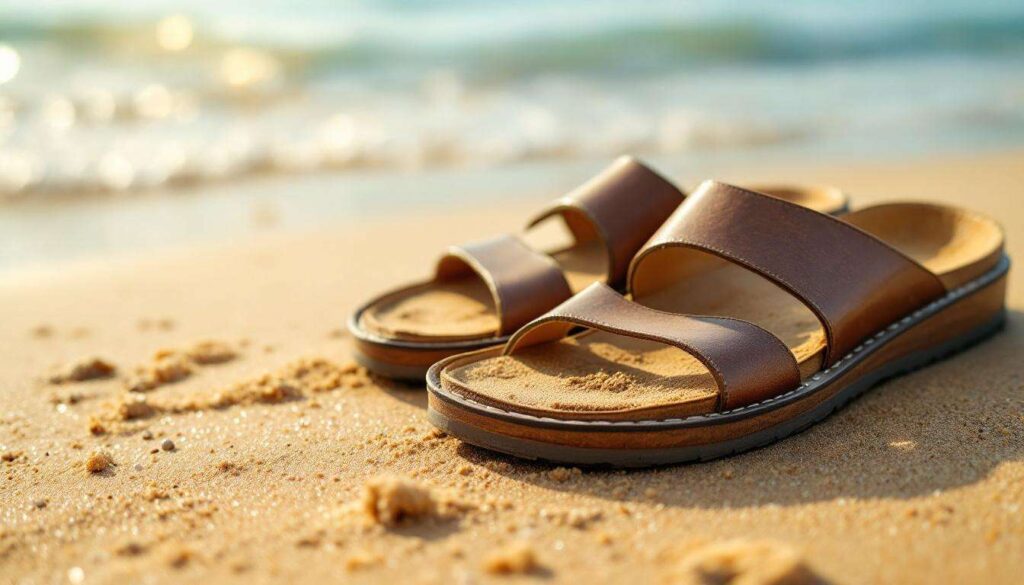
Sandals remain one of the most popular footwear choices during warmer months, offering comfort and style for countless occasions. However, these beloved shoes often bear the marks of frequent wear, with unsightly footprint stains developing on their insoles and surfaces. These stubborn marks can make even relatively new sandals appear worn and neglected, diminishing their aesthetic appeal and potentially shortening their usable life. Fortunately, restoring sandals to their former glory need not involve expensive professional cleaning services or premature replacement. With the right techniques and a few household items, anyone can effectively remove these persistent stains and breathe new life into their favourite summer footwear.
Understanding the origin of stains on your sandals
The science behind footprint marks
Footprint stains on sandals result from a combination of natural bodily secretions and environmental factors. When feet make contact with sandal surfaces, they deposit sweat, dead skin cells, and natural oils onto the material. These substances gradually accumulate, creating visible discolouration that darkens over time. The process intensifies during warm weather when perspiration levels increase significantly.
The chemical composition of sweat plays a crucial role in stain formation. Sweat contains urea, salts, and amino acids that react with sandal materials, particularly on light-coloured surfaces. This reaction creates yellowish or brownish marks that become increasingly difficult to remove without proper treatment.
Material-specific staining patterns
Different sandal materials exhibit varying susceptibility to footprint stains:
- Leather sandals develop dark patches where oils penetrate the material’s porous surface
- Suede varieties show matted areas and discolouration from moisture absorption
- Fabric sandals display the most visible staining due to their absorbent nature
- Synthetic materials resist staining better but still accumulate surface residue
Environmental contributors to sandal deterioration
Beyond bodily secretions, external factors accelerate stain development. Dust, dirt, and urban pollutants adhere to moisture on sandal surfaces, creating compound stains that prove more challenging to eliminate. Walking on various surfaces introduces additional contaminants, whilst exposure to sunlight can cause certain materials to fade or yellow, compounding the appearance of wear.
| Factor | Impact on Staining | Severity Level |
|---|---|---|
| Sweat and oils | Primary cause of discolouration | High |
| Environmental dirt | Surface accumulation | Medium |
| UV exposure | Material degradation | Medium |
| Moisture retention | Bacterial growth and odour | High |
Recognising these underlying causes enables targeted cleaning approaches that address both visible stains and their root sources, setting the foundation for effective restoration techniques.
Effective techniques for cleaning leather sandals
Preparing leather for deep cleaning
Leather sandals require careful handling to maintain their integrity whilst removing stubborn footprint marks. Begin by removing loose dirt with a soft-bristled brush or dry cloth, working gently to avoid scratching the surface. This preliminary step prevents dirt particles from embedding deeper into the leather during wet cleaning.
Create a cleaning solution by mixing warm water with a small amount of mild soap—baby shampoo or gentle dish soap works exceptionally well. The key lies in using minimal soap to prevent residue buildup that could attract more dirt or leave streaks on the leather surface.
The cleaning process for leather footbeds
Apply the cleaning solution using a soft cloth or sponge, wringing out excess water to keep the leather slightly damp rather than saturated. Work in circular motions across the footprint-stained areas, applying gentle pressure to lift embedded grime. For particularly stubborn marks, an old toothbrush provides targeted scrubbing power without damaging the material.
- Dampen the cloth with cleaning solution, never pour liquid directly onto leather
- Focus on stained areas but clean the entire footbed for uniform appearance
- Rinse the cloth frequently to avoid redistributing dirt
- Wipe down with a clean, damp cloth to remove soap residue
- Pat dry with a towel and allow complete air drying away from direct heat
Conditioning and restoration techniques
After cleaning, leather benefits from conditioning to restore moisture and prevent cracking. Apply a small amount of leather conditioner or natural oils such as coconut oil to a soft cloth, then massage into the cleaned surface. This step not only rejuvenates the material but also creates a protective barrier against future staining.
For persistent discolouration on light-coloured leather, a paste made from baking soda and water can provide additional lifting power. Apply this mixture to problem areas, let it sit for fifteen minutes, then gently scrub and wipe clean. This method proves particularly effective for yellowed insoles that standard cleaning cannot fully address.
With leather sandals restored to their original condition, attention turns to another delicate material that demands specialised care techniques.
Cleaning suede sandals: tips and precautions
Special considerations for suede materials
Suede presents unique challenges due to its delicate napped surface that can easily become damaged by excessive moisture or aggressive cleaning methods. Unlike smooth leather, suede’s texture traps dirt within its fibres, making footprint stains particularly noticeable. The material’s vulnerability to water damage necessitates dry or minimal-moisture cleaning approaches whenever possible.
Before attempting any cleaning, test your chosen method on an inconspicuous area to ensure it doesn’t alter the suede’s colour or texture. This precautionary step prevents potentially irreversible damage to visible portions of your sandals.
Dry cleaning methods for suede
Begin with a suede brush or clean toothbrush, working gently in one direction to lift the nap and dislodge surface dirt. For footprint marks, a specialised suede eraser proves invaluable—rub it across stained areas using light pressure and short strokes. These erasers effectively remove many types of marks without introducing moisture.
- Brush suede regularly to prevent dirt from settling deep into fibres
- Use white erasers to avoid colour transfer onto light suede
- Work in well-lit conditions to identify all affected areas
- Allow suede to rest between cleaning sessions to maintain texture
Addressing stubborn suede stains
When dry methods prove insufficient, carefully introduce minimal moisture. Dampen a clean cloth with white vinegar or rubbing alcohol—both evaporate quickly without leaving water marks. Blot stained areas gently rather than rubbing, which could spread the stain or damage the nap. After treatment, stuff sandals with newspaper to maintain shape whilst drying, and brush once completely dry to restore the suede’s characteristic texture.
For oil-based stains, cornflour or talcum powder acts as an absorbent. Sprinkle generously over the affected area, leave overnight, then brush away thoroughly. This method draws oils from the suede fibres without requiring liquid cleaners that might cause additional problems.
Having addressed the intricacies of suede care, fabric sandals present their own set of cleaning requirements and solutions.
Methods for removing marks on fabric sandals
Assessing fabric sandal construction
Fabric sandals generally tolerate more aggressive cleaning than leather or suede varieties, though certain embellishments or mixed materials may require gentler approaches. Check for non-removable decorations, glued components, or leather accents that could suffer damage from excessive water exposure. Canvas and cotton fabrics prove most resilient, whilst synthetic blends may require temperature considerations.
Machine and hand washing techniques
Many fabric sandals withstand machine washing when proper precautions are observed. Place sandals in a pillowcase or mesh laundry bag to protect both the footwear and washing machine. Use cold water on a gentle cycle with mild detergent, avoiding bleach unless the fabric is white and colourfast. Air dry completely before wearing, as heat from tumble dryers can warp adhesives or shrink certain materials.
For hand washing, create a basin of warm water with gentle laundry detergent or dish soap. Submerge sandals and use a soft brush to scrub footprint-stained areas, paying particular attention to the footbed where marks concentrate. Rinse thoroughly under running water until all soap residue disappears, then press out excess water with a towel.
Targeted stain removal for fabric footbeds
Particularly stubborn footprint marks on fabric respond well to paste treatments:
- Mix baking soda with hydrogen peroxide to form a thick paste
- Apply directly to stained areas using an old toothbrush
- Allow the paste to sit for thirty minutes to penetrate fibres
- Scrub gently in circular motions to lift embedded dirt
- Rinse thoroughly and repeat if necessary for persistent marks
For white or light-coloured fabric sandals, a diluted bleach solution offers powerful stain removal. Mix one part bleach with four parts water, apply with a cotton swab to affected areas only, and rinse immediately after one minute. This method requires careful application to prevent fabric damage or unwanted lightening of coloured materials.
With cleaning techniques established for various sandal types, focus shifts to preventative measures that reduce future staining.
Maintenance tips to prevent marks on your sandals
Establishing a regular cleaning routine
Prevention proves far easier than remediation when managing footprint stains. Implementing a consistent maintenance schedule keeps sandals looking fresh throughout their wearing season. Wipe down footbeds after each wear using a slightly damp cloth to remove daily accumulation of sweat and oils before they set into stains. This simple habit, taking mere seconds, dramatically reduces the frequency of deep cleaning required.
Weekly deeper cleaning sessions address buildup that daily wiping cannot eliminate. Dedicate time to inspect sandals thoroughly, treating any developing marks before they become permanent fixtures. This proactive approach maintains sandals in near-pristine condition with minimal effort.
Protective treatments and barriers
Applying protective products creates an invisible shield against staining agents. For leather sandals, conditioning treatments every few weeks maintain suppleness whilst repelling moisture and oils. Suede benefits from specialised protective sprays that create water and stain resistance without altering texture or appearance.
| Material Type | Protective Product | Application Frequency |
|---|---|---|
| Leather | Leather conditioner | Every 2-3 weeks |
| Suede | Suede protector spray | Monthly or after cleaning |
| Fabric | Fabric guard spray | Every 4-6 weeks |
| All types | Antibacterial spray | Weekly |
Foot hygiene and sandal rotation
Personal foot care significantly impacts sandal cleanliness. Washing feet before wearing sandals removes oils and bacteria that contribute to staining and odour. Applying foot powder or antiperspirant to feet creates a barrier that absorbs moisture before it reaches sandal surfaces.
Rotating between multiple pairs of sandals allows each pair adequate drying time between wears. Sandals worn daily never fully dry, creating ideal conditions for bacterial growth and accelerated staining. Alternating pairs extends the lifespan of all footwear in your collection.
Beyond preventing stains, broader maintenance practices ensure sandals remain functional and attractive for seasons to come.
Extending the lifespan of your sandals: practices to adopt
Proper storage techniques
How you store sandals during off-season periods or between wears significantly affects their longevity. Keep sandals in a cool, dry location away from direct sunlight, which can fade colours and dry out materials. Avoid plastic bags that trap moisture, instead opting for breathable fabric bags or open shelving that allows air circulation.
Stuffing sandals with newspaper or shoe trees maintains their shape during storage, preventing the curling or warping that occurs when footwear collapses on itself. For leather varieties, this practice proves particularly important in preserving structural integrity.
Addressing minor repairs promptly
Small issues left unattended often escalate into major problems requiring professional repair or replacement. Loose stitching should be reinforced immediately using a needle and thread matched to the original colour. Worn edges benefit from touch-ups with permanent markers or leather paint, restoring a polished appearance.
- Replace worn footbeds before the base material becomes exposed
- Reattach loose straps using appropriate adhesives for the material type
- Fill minor scratches on leather with matching shoe polish
- Trim fraying fabric edges with sharp scissors to prevent further unravelling
- Tighten loose buckles or fasteners to maintain secure fit
Knowing when professional intervention becomes necessary
Whilst many sandal issues respond well to home treatment, certain situations warrant professional attention. Extensive sole separation, broken support structures, or damage to load-bearing components exceed the scope of DIY repairs. Experienced cobblers possess specialised tools and materials that ensure proper restoration, often at reasonable costs that prove worthwhile for quality sandals.
Similarly, valuable or sentimental sandals with severe staining may benefit from professional cleaning services that employ techniques and products unavailable to consumers. These services understand material-specific requirements and can often salvage footwear that appears beyond home remediation.
Sandals represent an investment in comfort and style that rewards proper care with years of reliable service. The techniques outlined throughout this article provide comprehensive guidance for removing unsightly footprint stains and maintaining sandals in excellent condition. From understanding the origins of staining to implementing preventative measures and proper storage practices, these strategies address every aspect of sandal care. Whether dealing with delicate suede, durable leather, or washable fabric varieties, appropriate cleaning methods restore sandals to their original appearance without requiring expensive replacements. Regular maintenance, combined with prompt attention to minor issues, ensures your favourite summer footwear remains a wardrobe staple season after season, delivering both aesthetic appeal and lasting value.