


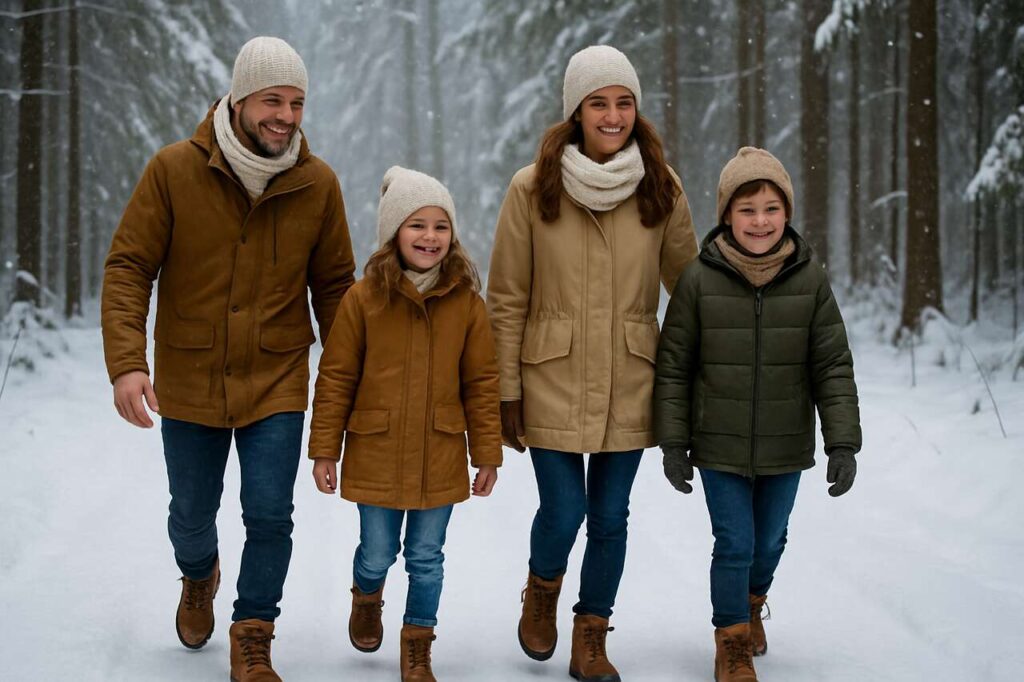
Venturing outdoors with the family during the colder months can be one of the most rewarding experiences, offering fresh air, exercise, and quality time together. However, the unpredictable British weather demands proper footwear that can withstand rain, mud, and icy conditions. Waterproof walking boots have become essential for families who refuse to let winter dampen their enthusiasm for exploration. With the right pair, even the youngest members can enjoy comfortable and safe adventures across countryside trails, woodland paths, and coastal walks.
The necessity of family walking boots
Protection against the elements
Winter walks expose feet to harsh conditions that ordinary trainers simply cannot handle. Waterproof walking boots provide a crucial barrier against moisture, preventing cold, wet feet that can quickly ruin an outing. For families, this protection extends beyond comfort: it safeguards against potential health issues such as blisters, fungal infections, and hypothermia. Children, in particular, benefit from boots that keep their feet dry, as they are more susceptible to temperature-related discomfort.
Safety and stability on challenging terrain
The British countryside presents varied terrain that requires proper ankle support and grip. Walking boots offer enhanced stability on uneven surfaces, reducing the risk of twisted ankles and falls. Features such as reinforced toe caps protect against rocks and roots, whilst deep tread patterns ensure traction on slippery surfaces. For families with young children or elderly members, these safety features are particularly important.
Encouraging outdoor activity
When families invest in quality walking boots, they remove one of the main barriers to outdoor activity. Knowing that everyone has appropriate footwear makes it easier to spontaneously head out for walks, regardless of weather conditions. This psychological shift can transform winter from a season of indoor confinement to one of adventure and discovery.
Understanding why walking boots matter naturally leads to the question of what distinguishes exceptional boots from mediocre ones.
Features of the best walking boots
Waterproofing technology
The most critical feature of any winter walking boot is its ability to keep feet dry. Modern boots employ various waterproofing technologies, with GORE-TEX membranes being among the most reliable. These membranes allow perspiration to escape whilst preventing external moisture from entering. Some boots use proprietary waterproof systems that offer similar protection at different price points. When selecting boots, families should look for sealed seams and waterproof ratings that suit their typical walking conditions.
Comfort and cushioning
Long walks demand boots with adequate cushioning to absorb impact and reduce fatigue. Quality walking boots feature:
- EVA midsoles that provide shock absorption without adding excessive weight
- Contoured footbeds that support natural foot shape and movement
- Padded collars and tongues that prevent rubbing around the ankle
- Breathable linings that regulate temperature and moisture
Traction and outsole design
Winter conditions require boots with superior grip. Vibram outsoles are considered the gold standard, offering reliable traction across wet rocks, muddy paths, and icy surfaces. The lug pattern depth and arrangement significantly affect performance: deeper, more widely spaced lugs shed mud effectively, whilst multidirectional patterns provide stability on varied terrain.
Durability and construction quality
Family walking boots represent an investment that should last multiple seasons. Look for boots with reinforced stitching, robust upper materials, and replaceable components where possible. Leather boots offer exceptional durability but require more maintenance, whilst synthetic materials provide lighter weight and easier care.
| Feature | Benefit | Priority Level |
|---|---|---|
| Waterproofing | Keeps feet dry in wet conditions | Essential |
| Ankle support | Prevents injuries on uneven terrain | High |
| Cushioning | Reduces fatigue on long walks | High |
| Traction | Ensures stability on slippery surfaces | Essential |
| Breathability | Prevents overheating and moisture build-up | Medium |
Once families understand which features matter most, the next challenge involves ensuring each member gets boots that fit properly.
Choosing the right size for your boots
The importance of proper fit
Ill-fitting boots can transform an enjoyable walk into a painful ordeal. Proper sizing is particularly crucial for children, whose feet are still developing. Boots that are too tight restrict circulation and cause blisters, whilst oversized boots lead to instability and friction. The ideal fit allows approximately one centimetre of space between the longest toe and the boot’s end, providing room for thick socks and natural foot expansion during activity.
Measuring feet correctly
Feet should be measured later in the day when they are naturally more swollen. For children, measurements should be taken every few months, as their feet grow rapidly. When trying boots:
- Wear the same thickness of socks intended for walking
- Stand up and distribute weight evenly
- Check for heel lift when walking
- Ensure toes can wiggle freely
- Walk on an incline to test downhill fit
Accounting for growth in children’s boots
Parents face the dilemma of buying boots that fit now versus allowing room for growth. Whilst some growing room is sensible, excessive space compromises safety and comfort. A practical approach involves purchasing boots with adjustable lacing systems and considering mid-season replacements for rapidly growing children. Some families find success with brands offering half sizes and wide-fit options.
Breaking in new boots
Even perfectly sized boots require a breaking-in period. Families should wear new boots around the house for short periods before attempting long walks. This process allows materials to mould to individual feet and reveals any pressure points that might need addressing. Gradual introduction prevents blisters and ensures everyone feels confident in their footwear before tackling challenging terrain.
With sizing sorted, attention naturally turns to the materials that make boots functional and how to keep them performing optimally.
Materials and maintenance of walking boots
Common boot materials and their properties
Walking boots are constructed from various materials, each offering distinct advantages. Full-grain leather provides exceptional durability and natural water resistance but requires regular conditioning. Split leather offers similar benefits at lower cost but with reduced longevity. Synthetic materials such as nylon and polyester are lightweight, quick-drying, and require minimal maintenance, making them ideal for families seeking convenience. Many modern boots combine materials, using leather in high-wear areas and synthetics elsewhere for optimal performance.
Cleaning and drying techniques
Proper maintenance extends boot lifespan significantly. After each walk, families should:
- Remove loose dirt with a soft brush
- Wipe boots with a damp cloth to remove remaining mud
- Remove insoles and laces for separate cleaning
- Stuff boots with newspaper to absorb moisture and maintain shape
- Air-dry away from direct heat sources, which can damage materials and adhesives
Waterproofing treatments
Even boots with waterproof membranes benefit from external water-repellent treatments. The outer material’s ability to shed water reduces membrane saturation and maintains breathability. Wax-based treatments suit leather boots, whilst spray-on products work better for synthetic materials. Reapplication frequency depends on usage, but most families should treat boots every few months during active periods.
Storage considerations
When not in use, walking boots should be stored in cool, dry locations away from direct sunlight. Stuffing them with paper helps maintain shape and absorb residual moisture. Families should periodically inspect stored boots for signs of mould or material degradation, addressing issues promptly to prevent permanent damage.
| Material Type | Advantages | Maintenance Level |
|---|---|---|
| Full-grain leather | Highly durable, moulds to feet | High |
| Split leather | Good durability, affordable | Medium-high |
| Synthetic fabric | Lightweight, quick-drying | Low |
| Combination | Balanced performance | Medium |
Understanding materials and care naturally leads families to consider which manufacturers consistently deliver quality products worth maintaining.
The best family walking boot brands
Established outdoor specialists
Several brands have built reputations for producing reliable walking boots across all age ranges. These manufacturers invest heavily in research and development, ensuring their products incorporate the latest technologies. KEEN offers excellent family options with their Targhee range, featuring sizes from toddlers through adults with consistent quality across the spectrum. Their children’s boots often include practical features like no-tie lacing systems that simplify getting ready for walks.
Performance-focused manufacturers
For families who undertake more challenging walks, brands specialising in technical footwear provide enhanced performance. Lowa boots are renowned for exceptional comfort and durability, with many users reporting blister-free experiences even on extended hikes. Their construction quality justifies higher price points for families who walk frequently. Similarly, HOKA has gained recognition for superior cushioning technology, particularly beneficial for those requiring extra shock absorption on hard or uneven surfaces.
Value-oriented options
Not every family needs premium boots, and several brands offer solid performance at accessible prices. These manufacturers focus on core functionality without expensive additions, making quality walking boots available to more families. When selecting value brands, families should still prioritise waterproofing and basic comfort features, viewing boots as long-term investments rather than disposable items.
Specialist children’s brands
Some manufacturers focus specifically on children’s outdoor footwear, understanding the unique requirements of growing feet. These brands typically offer wider size ranges, more frequent half sizes, and designs that account for children’s different gait patterns and activity levels. Features like adjustable closures and reinforced toe caps address common wear patterns in children’s boots.
Having identified quality brands and products, families often face the challenge of motivating everyone to actually use these excellent boots on regular winter outings.
Convincing the whole family for winter walks
Making walks appealing to children
Children often resist outdoor activities during cold weather, but strategic approaches can transform reluctance into enthusiasm. Gamification works remarkably well: creating scavenger hunts, nature bingo cards, or photo challenges gives children specific goals beyond simply walking. Allowing children to choose routes or destinations provides ownership and investment in the activity. Starting with shorter walks and gradually extending duration prevents overwhelming younger family members.
Addressing comfort concerns
Many family members resist winter walks due to anticipated discomfort. Demonstrating how proper gear, particularly quality walking boots, eliminates common complaints can shift perspectives. Letting reluctant participants test boots on short, easy walks proves their effectiveness without demanding significant commitment. Emphasising the warm, dry feet that quality boots provide addresses one of the primary objections to cold-weather outdoor activity.
Creating traditions and routines
Regular walking schedules help establish outdoor activity as normal rather than exceptional. Families might designate specific days for walks, making them anticipated events rather than sporadic suggestions. Incorporating rewards such as hot chocolate afterwards or visiting favourite locations creates positive associations. Over time, these routines become cherished family traditions that members actively look forward to.
Leading by example
Parents who genuinely enjoy winter walks naturally inspire children to participate. Expressing authentic enthusiasm for outdoor experiences, pointing out interesting natural phenomena, and demonstrating comfort in proper gear all influence family attitudes. When adults model resilience and appreciation for nature regardless of weather, children absorb these values and develop similar perspectives.
Winter walking offers families invaluable opportunities for bonding, exercise, and nature appreciation. The foundation of successful winter adventures lies in proper footwear that keeps everyone comfortable and protected. Quality walking boots with waterproof construction, adequate cushioning, and reliable traction transform potentially miserable outings into enjoyable experiences. By selecting appropriate sizes, maintaining boots properly, and choosing reputable brands, families invest in years of outdoor memories. The initial cost of quality boots proves worthwhile when measured against the countless walks they enable, the health benefits they support, and the family connections they strengthen throughout the winter season.