



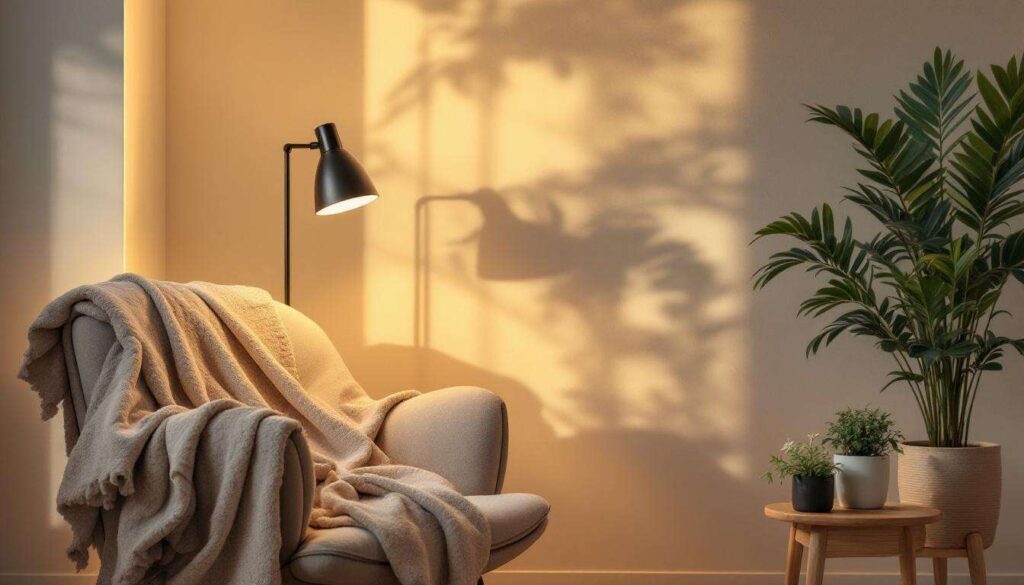
The colder months bring shorter days and longer nights, often leaving homes feeling dim and spirits dampened. When natural sunlight becomes scarce, the atmosphere indoors can feel heavy and uninviting. However, strategic use of lighting accessories and reflective elements can transform even the gloomiest spaces into havens of warmth and brightness. From carefully chosen light fixtures to cleverly positioned mirrors, these tools offer practical solutions to combat the seasonal darkness that affects both our homes and our wellbeing.
Ambient lighting: the key to a warm atmosphere
Understanding ambient lighting principles
Ambient lighting serves as the foundation of any well-lit room, providing overall illumination that replaces or supplements natural daylight. Unlike task or accent lighting, ambient sources create a soft, diffused glow that fills the entire space without harsh shadows or bright spots. This type of lighting proves particularly valuable during winter months when daylight fades early and grey skies dominate.
The most effective ambient lighting solutions include:
- Ceiling-mounted fixtures with frosted glass shades that distribute light evenly
- Recessed lighting with dimmer switches for adjustable brightness levels
- Floor lamps with upward-facing shades that bounce light off ceilings
- Wall sconces positioned at strategic heights to create layered illumination
Choosing the right colour temperature
The colour temperature of your ambient lighting significantly impacts the atmosphere of your space. Measured in Kelvin, this characteristic determines whether light appears cool and blue-toned or warm and yellow-toned. During dark winter days, warm white bulbs ranging from 2700K to 3000K create the most inviting environment, mimicking the golden quality of late afternoon sunlight.
| Colour Temperature | Kelvin Range | Best Application |
|---|---|---|
| Warm White | 2700K-3000K | Living rooms, bedrooms |
| Neutral White | 3500K-4100K | Kitchens, bathrooms |
| Cool White | 5000K-6500K | Workspaces, garages |
These foundational lighting choices set the stage for additional decorative elements that further enhance brightness and visual interest throughout your home.
The power of small light fixtures
Table lamps as versatile solutions
Small light fixtures offer flexibility and personality that larger installations cannot match. Table lamps, in particular, provide targeted illumination whilst serving as decorative accessories that contribute to the overall aesthetic. Positioning these fixtures on side tables, desks, or console tables creates pools of light that break up dark corners and add visual warmth to rooms.
When selecting table lamps for dark days, consider:
- Translucent or light-coloured shades that maximise light output
- Three-way bulbs offering multiple brightness settings
- Bases with reflective or metallic finishes that amplify illumination
- Compact designs that fit easily on narrow surfaces
String lights and fairy lights
Beyond traditional fixtures, string lights have evolved from seasonal decorations to year-round lighting solutions. These delicate strands of small bulbs create a magical, twinkling effect that instantly lifts the mood of any space. Draped along shelves, wound around bedposts, or arranged in glass containers, fairy lights add whimsy and warmth without overwhelming a room’s design.
Battery-operated versions offer particular advantages, eliminating the need for nearby electrical outlets and allowing placement in unexpected locations. Some models include timers or remote controls, making them practical for daily use rather than special occasions only.
Candles and flameless alternatives
The flickering glow of candles provides unmatched cosiness during dark evenings. Grouped together on trays or scattered throughout a room, candles create intimate pockets of light that encourage relaxation. For those concerned about open flames, LED candles now offer remarkably realistic alternatives, complete with flickering effects and wax-like finishes that are virtually indistinguishable from traditional versions.
With these smaller lighting elements in place, attention can turn to colour and texture as additional tools for brightening interiors.
Bright colours and luminous accessories
The psychology of colour in dark spaces
Colour selection plays a crucial role in how light or dark a space feels, even when actual lighting remains unchanged. Light, reflective colours naturally make rooms appear brighter and more spacious, whilst dark, matte finishes absorb light and create heavier atmospheres. During months with limited natural light, incorporating bright accent colours through accessories provides an immediate visual lift.
Effective colour choices include:
- Crisp whites and creams that reflect maximum light
- Soft pastels such as blush pink, sky blue, or mint green
- Warm yellows and golds that mimic sunlight
- Vibrant accent colours used sparingly for energy and contrast
Textiles and soft furnishings
Cushions, throws, and curtains offer opportunities to introduce brightness without permanent commitment. Swapping darker winter textiles for lighter alternatives creates an instant transformation. Consider silk or satin cushion covers that catch and reflect light, or sheer curtain panels that filter daylight whilst maintaining privacy.
Patterned fabrics featuring white or light backgrounds also contribute to overall brightness, breaking up solid dark furniture and adding visual interest that draws the eye around the room.
Decorative objects with luminous qualities
Accessories such as glass vases, crystal ornaments, and glossy ceramics act as miniature light reflectors throughout your home. Positioning these items where they catch natural or artificial light creates sparkling focal points that animate spaces. Even small additions, like a collection of mercury glass votives or a bowl of polished stones, contribute to the cumulative effect of brightness.
These colourful and reflective accessories work in concert with another powerful tool for manipulating light within interior spaces.
The importance of mirrors to reflect light
Strategic mirror placement
Mirrors represent perhaps the most effective accessory for brightening dark rooms, as they literally double the impact of existing light sources. Positioning a mirror opposite a window allows it to capture and reflect precious natural light throughout the day. Similarly, placing mirrors near lamps or candles amplifies their illuminating effect, making individual fixtures work harder.
Optimal mirror locations include:
- Directly opposite windows to maximise natural light reflection
- Adjacent to light fixtures to spread artificial illumination
- In narrow hallways to create the illusion of width and brightness
- Above mantels or console tables to lift light upward
Choosing the right mirror style
Beyond placement, the size and style of mirrors influence their light-enhancing capabilities. Large mirrors naturally reflect more light than small ones, making them particularly valuable in dim rooms. However, even modest mirrors contribute when arranged in groups or positioned strategically. Frameless mirrors or those with light-coloured frames maximise reflective surface area and maintain a bright aesthetic.
| Mirror Type | Light Enhancement | Best Location |
|---|---|---|
| Full-length floor mirror | Maximum reflection | Opposite windows |
| Round wall mirror | Moderate reflection | Above furniture |
| Mirror gallery wall | Distributed reflection | Hallways, staircases |
Whilst mirrors manipulate existing light, additional strategies can help capture more natural illumination before it even enters your home.
Optimising natural light with accessories
Window treatment considerations
The window dressings you choose significantly impact how much natural light reaches your interior spaces. Heavy, dark curtains may provide excellent insulation and privacy, but they also block precious daylight during already dim winter months. Replacing these with lighter alternatives allows maximum light penetration whilst still offering necessary functionality.
Light-optimising window treatments include:
- Sheer voile curtains that filter rather than block light
- Roller blinds in white or cream that can be fully retracted
- Café curtains covering only lower window portions
- Roman shades in lightweight fabrics
Keeping windows clear and clean
A surprisingly simple yet often overlooked strategy involves maintaining clean windows. Accumulated dirt, dust, and grime on glass surfaces can reduce natural light transmission by up to twenty percent. Regular cleaning, particularly during winter months when windows may be opened less frequently, ensures maximum daylight entry.
Additionally, removing or minimising objects from windowsills allows unobstructed light flow. Whilst decorative items add personality, overcrowded sills create shadows and block valuable illumination.
Reflective window accessories
Certain window accessories actively enhance natural light rather than merely avoiding its obstruction. Light shelves, horizontal surfaces installed above windows, bounce daylight deeper into rooms. Similarly, window film with prismatic properties can redirect light whilst maintaining privacy, particularly useful for ground-floor windows facing public areas.
These natural light strategies complement the final category of brightness-enhancing accessories that add glamour alongside illumination.
Shiny materials and metallic finishes to enhance your interior
Metallic accent pieces
Accessories featuring metallic finishes serve dual purposes, functioning as both decorative elements and light reflectors. Gold, silver, brass, and copper surfaces catch and bounce light throughout rooms, creating dynamic visual interest that changes throughout the day. From picture frames to lamp bases, these gleaming accents add sophistication whilst contributing to overall brightness.
Effective metallic accessories include:
- Brass or gold candlesticks grouped on mantels or tables
- Silver or chrome trays for corralling smaller objects
- Copper planters that warm spaces with rosy reflections
- Mixed metal decorative bowls as sculptural focal points
Glossy surfaces and lacquered finishes
Beyond metals, high-gloss finishes on furniture and accessories provide similar light-reflecting properties. Lacquered boxes, glazed ceramics, and polished wood surfaces all contribute to the cumulative brightening effect. Even small additions, such as switching matte picture frames for glossy alternatives, incrementally increase the reflective surfaces within a room.
Glass and crystal elements
Glass accessories offer transparency and sparkle that uniquely enhance light. Crystal chandeliers famously create prismatic effects, but even modest glass objects contribute. Clear glass vases, bowls, and decorative objects allow light to pass through them whilst their faceted or curved surfaces create interesting refractions and reflections.
Combining these various shiny elements creates layered lighting effects that transform dark spaces into bright, welcoming environments regardless of weather conditions outside.
Strategic use of lighting accessories, reflective surfaces, and thoughtful colour choices offers powerful tools for combating the gloom of short winter days. By layering ambient lighting with smaller fixtures, incorporating mirrors and metallic finishes, and optimising natural light through appropriate window treatments, any space can feel brighter and more inviting. These accessible solutions require no major renovations, yet deliver significant impact on both the appearance of rooms and the wellbeing of those who inhabit them. As darkness descends earlier each evening, these brightness-enhancing accessories prove their worth, creating homes that feel warm and welcoming regardless of conditions beyond the windows.