


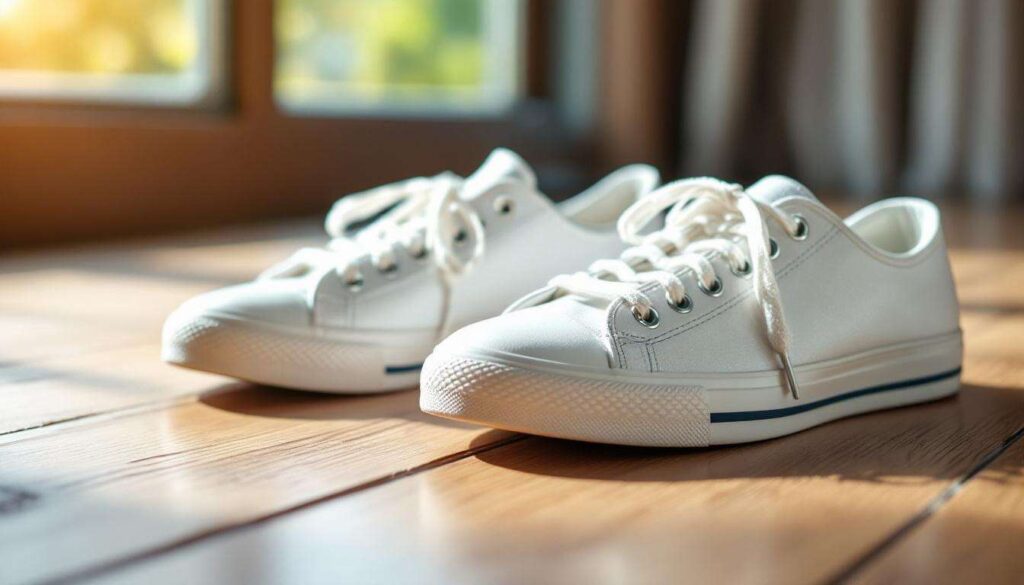
White trainers have become a wardrobe staple, effortlessly complementing everything from casual jeans to smart-casual ensembles. However, maintaining their pristine appearance can prove challenging as dirt, scuffs, and discolouration quickly diminish their appeal. Fortunately, cleaning professionals have developed proven techniques to restore white shoes to their original brilliance without resorting to expensive specialist products or services. Whether your footwear is crafted from canvas, leather, or suede, understanding the appropriate cleaning method for each material ensures optimal results whilst preserving the integrity of your favourite pairs.
How to clean your white shoes with household products
Creating an effective cleaning solution
The foundation of successful shoe cleaning lies in selecting the right mixture for the task. A simple yet highly effective solution combines readily available household ingredients that deliver professional-quality results. Mix ¼ cup of baking soda with ½ cup of water to create a gentle paste that lifts stubborn stains without damaging delicate materials. This alkaline mixture works particularly well on canvas and synthetic fabrics, breaking down dirt particles whilst neutralising odours.
Essential tools for the job
Gathering the appropriate cleaning implements before beginning ensures a smooth process and prevents potential damage. The following items form a comprehensive cleaning kit:
- Soft-bristled brush or old toothbrush
- Microfibre cloths or soft cotton towels
- Paper towels for drying and shape retention
- Bowl for mixing cleaning solutions
- Mild washing-up liquid or gentle soap
The basic cleaning process
Begin by removing laces and any loose dirt with a dry soft brush. This preliminary step prevents grinding debris into the fabric during wet cleaning. Apply your chosen cleaning solution using circular motions, focusing on heavily soiled areas whilst maintaining consistent pressure throughout. Rinse thoroughly with a damp cloth, ensuring no soap residue remains, as this can attract additional dirt once dried.
Understanding these fundamental principles provides the groundwork for addressing specific shoe materials, each requiring tailored approaches to achieve optimal cleanliness.
Effectively clean white canvas shoes
Preparing canvas trainers for cleaning
Canvas shoes, including popular brands such as Vans and Converse, require careful preparation to ensure thorough cleaning. Remove laces completely and set them aside for separate treatment. Use a soft brush to eliminate loose dirt, dust, and debris from the surface and crevices. This initial brushing prevents muddy water from spreading across the fabric during the wet cleaning phase.
Step-by-step canvas cleaning method
The most reliable technique for canvas footwear involves gentle hand washing rather than machine washing. Follow this proven sequence:
| Step | Action | Duration |
|---|---|---|
| 1 | Apply soapy water with soft brush | 3-5 minutes |
| 2 | Scrub in circular motions | 5-7 minutes |
| 3 | Rinse with damp cloth | 2-3 minutes |
| 4 | Stuff with paper towels | Immediate |
| 5 | Air dry at room temperature | 24-48 hours |
Addressing stubborn stains on canvas
For particularly resistant marks, the baking soda paste mentioned earlier proves invaluable. Apply directly to stained areas, allow to sit for 15-20 minutes, then gently scrub with a soft brush. The mild abrasive properties of baking soda lift ingrained dirt without damaging the canvas weave. Avoid harsh chemicals or bleach, which can yellow white fabric over time.
Whilst canvas requires specific attention, leather shoes demand an entirely different approach to maintain their unique characteristics and finish.
Tips for cleaning white leather shoes
Understanding leather’s unique requirements
Leather footwear necessitates a gentler touch than canvas alternatives due to its porous nature and susceptibility to water damage. Unlike synthetic materials, genuine leather can dry out, crack, or discolour when exposed to harsh cleaning agents or excessive moisture. The key lies in using minimal water and appropriate conditioning products to preserve the material’s natural oils and suppleness.
The optimal leather cleaning technique
Create a mild soapy solution using lukewarm water and a few drops of gentle washing-up liquid. Dampen a soft cloth with this mixture, ensuring it remains barely moist rather than wet. Wipe the leather surface using light, circular motions, frequently rinsing and wringing out the cloth to prevent soap buildup. Follow immediately with a clean, damp cloth to remove any remaining soap residue.
Post-cleaning leather care
After cleaning, applying a quality leather conditioner proves essential for maintaining the material’s integrity. This step offers multiple benefits:
- Restores natural oils removed during cleaning
- Prevents cracking and premature ageing
- Creates a protective barrier against future stains
- Maintains the leather’s soft, supple texture
- Enhances the overall appearance and lustre
Allow conditioner to absorb fully before wearing, typically requiring 30 minutes to one hour depending on the product formulation.
Just as the shoes themselves require careful attention, the laces play an equally important role in achieving that brand-new appearance.
Maintain your white laces for a pristine look
Separate lace cleaning methods
Laces accumulate dirt and grime more rapidly than shoes themselves, yet many people overlook this crucial component. Remove laces before cleaning shoes and treat them independently for superior results. For moderately soiled laces, hand washing in warm soapy water suffices. Agitate gently, rinse thoroughly, and hang to dry away from direct heat sources.
Intensive lace whitening technique
Heavily stained laces benefit from a more robust approach. Place laces in a mesh laundry bag or pillowcase to prevent tangling, then wash in the machine on a gentle cycle with regular detergent. For enhanced whitening, add one tablespoon of oxygen-based bleach to the wash. This method proves particularly effective for restoring yellowed or greyed laces to their original brightness.
When to replace rather than clean
Despite best efforts, some laces reach a point where cleaning no longer produces satisfactory results. Consider replacement when laces exhibit:
- Permanent discolouration resistant to multiple cleaning attempts
- Fraying or weakening of the material
- Loss of structural integrity affecting tying ability
- Persistent odours despite thorough washing
New laces cost relatively little yet dramatically improve the overall appearance of cleaned shoes, making replacement a worthwhile investment.
Beyond cleaning techniques, implementing proper maintenance strategies ensures your white shoes remain pristine for extended periods.
Extend the lifespan of your white shoes
Preventative protection measures
Applying a protective spray specifically formulated for your shoe material creates an invisible barrier against dirt, water, and stains. Treat new shoes before their first wear and reapply every few weeks, particularly during wet weather. This proactive approach significantly reduces the frequency and intensity of deep cleaning required.
Regular maintenance routines
Establishing consistent care habits prevents dirt from becoming ingrained and extends the time between thorough cleanings. After each wear, especially in adverse conditions, perform these quick maintenance tasks:
- Brush away surface dirt with a soft brush
- Wipe down with a slightly damp cloth
- Allow shoes to dry completely before storage
- Store in a cool, dry location away from direct sunlight
- Use shoe trees or stuffing to maintain shape
Strategic wearing patterns
Rotating between multiple pairs of white shoes allows each pair adequate recovery time between wears. Shoes benefit from at least 24 hours to dry completely and air out, reducing moisture buildup that can lead to yellowing and odour development. This rotation strategy also distributes wear more evenly, ultimately prolonging the life of your entire footwear collection.
Whilst hand cleaning remains the preferred method, certain situations may tempt you towards machine washing, which requires specific precautions.
Precautions to take when machine washing shoes
When machine washing becomes acceptable
Although experts generally discourage machine washing due to potential damage risks, certain canvas and synthetic shoes can tolerate this method when properly prepared. Never machine wash leather, suede, or shoes with delicate embellishments. Check manufacturer guidelines before proceeding, as some warranties become void following machine washing.
Essential protective measures
If machine washing proves necessary, implement these safeguards to minimise damage:
- Remove laces and insoles, washing separately
- Place shoes in a mesh laundry bag or pillowcase
- Add towels to the load for cushioning and balance
- Select cold water and gentle cycle settings
- Use mild detergent without bleach or harsh chemicals
- Never use the tumble dryer; air dry only
Understanding the risks involved
Machine washing subjects shoes to forces they were not designed to withstand. The agitation can separate glued components, distort shapes, and damage structural elements. Water temperature fluctuations may cause materials to shrink or warp. Even when precautions are followed, machine washing accelerates wear compared to hand cleaning methods, potentially shortening your shoes’ overall lifespan significantly.
Maintaining white shoes in pristine condition requires commitment to appropriate cleaning methods tailored to specific materials. Canvas shoes respond well to gentle scrubbing with soapy water or baking soda paste, whilst leather demands minimal moisture and subsequent conditioning. Regular maintenance, including proper lace care and protective treatments, prevents heavy soiling and extends the intervals between deep cleaning sessions. Although machine washing offers convenience, the associated risks make hand cleaning the superior choice for preserving your footwear’s appearance and longevity. By implementing these expert-recommended techniques and establishing consistent care routines, your white shoes will continue looking fresh and stylish for considerably longer.