



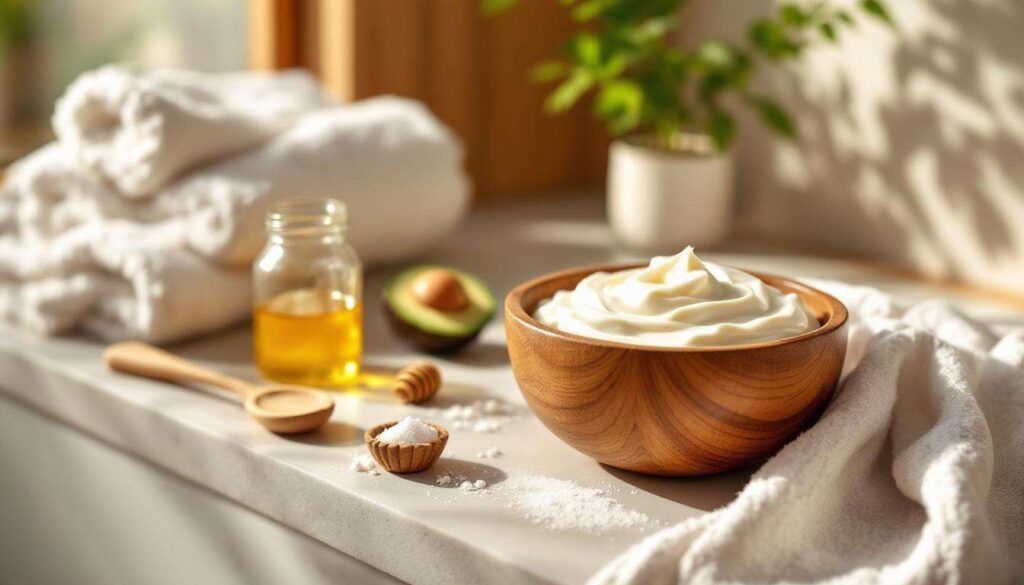
Dry, brittle ends and lacklustre hair have become increasingly common concerns as environmental stressors, heat styling and chemical treatments take their toll on our locks. Fortunately, restoring moisture and vitality to parched strands doesn’t require expensive salon treatments or designer products. Simple, affordable ingredients found in most kitchens can work wonders when combined into effective hair masks. These budget-friendly solutions offer deep conditioning benefits that rival their high-end counterparts, making healthy, hydrated hair accessible to everyone regardless of budget constraints.
Signs of dry and dehydrated hair
Recognising the visible symptoms
Identifying dry hair requires attention to several telltale signs that indicate your strands are crying out for moisture. Rough texture represents one of the most obvious indicators, as healthy hair should feel smooth and silky to the touch. When hair becomes dehydrated, the cuticle layer lifts, creating a coarse, straw-like feel that catches and tangles easily. Split ends also signal severe dryness, occurring when the protective outer layer deteriorates and the hair shaft literally splits apart at the tips.
Additional warning signs include:
- Excessive frizz and flyaways, particularly in humid conditions
- Dullness and lack of natural shine
- Difficulty styling and maintaining hairstyles
- Increased breakage when brushing or combing
- Static electricity causing hair to stand on end
- Tangles that form quickly after brushing
Understanding the underlying causes
Multiple factors contribute to hair dehydration, with environmental exposure playing a significant role. Sun damage, wind, chlorine from swimming pools and salt water all strip natural oils from hair strands. Heat styling tools such as straighteners, curling irons and blow dryers compound the problem by evaporating moisture from within the hair shaft. Chemical treatments including colouring, bleaching and perming further compromise hair’s structural integrity, leaving it vulnerable to moisture loss.
Understanding these symptoms and causes provides the foundation for selecting appropriate treatments that address the specific needs of dry hair.
Why opt for a budget-friendly hair mask
Cost-effectiveness without compromising results
The beauty industry often promotes the notion that expensive equals effective, yet homemade hair masks challenge this assumption convincingly. A single jar of premium hair treatment can cost upwards of £30, whilst the ingredients for multiple homemade masks typically total less than £10. This substantial cost difference makes regular deep conditioning accessible to those on limited budgets, enabling consistent care rather than sporadic treatments when finances allow.
| Product type | Average cost per treatment | Treatments per purchase |
|---|---|---|
| Commercial hair mask | £3-5 | 6-10 |
| Homemade mask | £0.50-1 | 15-20 |
Control over ingredients and customisation
Creating your own hair masks grants complete transparency regarding what touches your hair. Many commercial products contain questionable additives such as sulphates, silicones and synthetic fragrances that may provide temporary cosmetic benefits whilst causing long-term damage. Homemade alternatives eliminate these concerns entirely, allowing you to select pure, natural ingredients tailored to your specific hair type and concerns. This personalised approach enables experimentation to discover which combinations work best for your unique needs.
Beyond financial savings and ingredient control, budget masks offer environmental benefits through reduced packaging waste and the elimination of transportation-related carbon emissions.
The miracle ingredients that revive dry ends
Natural oils for deep penetration
Coconut oil stands as perhaps the most celebrated natural hair treatment, thanks to its unique molecular structure that allows it to penetrate the hair shaft rather than merely coating the surface. Rich in lauric acid, this tropical oil binds to hair proteins, reducing protein loss during washing and preventing damage. Olive oil provides similar benefits with its high concentration of oleic acid and vitamin E, strengthening hair whilst imparting remarkable shine. Argan oil, though slightly pricier, delivers exceptional moisturising properties alongside antioxidants that protect against environmental damage.
Protein-rich additions for structural repair
Hair consists primarily of a protein called keratin, making protein treatments essential for repairing damaged strands. Eggs serve as an excellent source of both protein and biotin, helping to rebuild hair structure from within. The yolk contains beneficial fats that moisturise, whilst the white provides pure protein for strengthening. Greek yoghurt offers a gentler protein treatment combined with lactic acid that cleanses the scalp and removes dead skin cells, promoting healthier hair growth from the roots.
Humectants for moisture retention
Honey functions as a natural humectant, meaning it attracts and retains moisture from the environment. This hygroscopic property makes honey invaluable for maintaining hydration levels in dry hair. Aloe vera gel provides similar benefits whilst also soothing irritated scalps and reducing inflammation. Glycerine, though less commonly found in kitchens, represents another powerful humectant that can be purchased inexpensively and added to homemade formulations for enhanced moisture retention.
These ingredients work synergistically when combined, addressing multiple aspects of hair health simultaneously.
Homemade recipes for hydrating hair masks
The intensive moisture treatment
For severely dehydrated hair requiring emergency intervention, combine two tablespoons of coconut oil with one ripe avocado and one tablespoon of honey. Mash the avocado thoroughly until completely smooth, then blend in the melted coconut oil and honey until a creamy consistency forms. This nutrient-dense mixture provides fatty acids, vitamins E and B, and moisture-binding properties that transform even the driest strands. Apply generously from mid-length to ends, avoiding the roots if your scalp tends towards oiliness, and leave for 30-45 minutes before shampooing.
The protein-boosting repair mask
When hair feels weak, brittle and prone to breakage, a protein-focused treatment becomes necessary. Whisk together one whole egg, two tablespoons of Greek yoghurt and one tablespoon of olive oil until fully incorporated. This combination delivers both immediate and long-term benefits, with proteins filling in gaps along damaged cuticles whilst oils seal and protect. Apply to damp hair, concentrating on the most damaged areas, and leave for 20-30 minutes. The shorter processing time prevents protein overload, which can paradoxically make hair feel stiff and straw-like.
The shine-enhancing treatment
For hair that lacks lustre despite adequate moisture levels, try mixing one mashed banana with two tablespoons of honey and one tablespoon of almond oil. Bananas contain silica, a mineral that contributes to hair strength and shine, whilst their natural sugars smooth the cuticle. This mask works particularly well for fine hair that becomes weighed down by heavier oil-based treatments. Process for 15-20 minutes before rinsing thoroughly, ensuring no banana particles remain trapped in the hair.
These recipes serve as starting points for experimentation, allowing adjustments based on individual results and preferences.
Application tips to maximise benefits
Proper preparation techniques
Successful mask application begins before the product touches your hair. Start with slightly damp strands rather than soaking wet or completely dry hair, as this allows better product absorption without dilution. Gently towel-dry after shampooing, removing excess water whilst leaving hair moist enough to facilitate even distribution. Detangle thoroughly using a wide-toothed comb before applying the mask, as attempting to comb through product-laden hair can cause unnecessary breakage and uneven coverage.
Strategic application methods
Rather than dumping the entire mask onto your head at once, work in systematic sections to ensure comprehensive coverage. Divide hair into four quadrants, securing three whilst working on the fourth. Apply mask from mid-shaft to ends using your fingers or a tinting brush, gently working the product through each section. For extremely dry ends, apply a concentrated amount specifically to the last few centimetres, where damage typically accumulates most severely.
Consider these enhancement techniques:
- Wrap hair in a warm towel to open cuticles and improve penetration
- Use a shower cap to prevent dripping and retain heat
- Apply gentle scalp massage to stimulate circulation
- Leave masks on slightly longer than recommended for severely damaged hair
Rinsing and post-treatment care
Thorough rinsing proves crucial for preventing product buildup that can leave hair looking greasy and limp. Use lukewarm water rather than hot, as excessive heat strips away the beneficial oils you’ve just applied. Rinse until water runs completely clear, then follow with a cool water rinse to seal cuticles and enhance shine. Apply a light leave-in conditioner if hair still feels slightly rough, but avoid heavy products that might counteract the mask’s benefits.
Mastering these application techniques ensures you extract maximum value from every treatment session.
When to integrate the mask into your hair routine
Determining optimal frequency
The ideal frequency for hair mask treatments depends on your hair’s condition and specific needs. Severely damaged hair benefits from twice-weekly applications until significant improvement occurs, then transitioning to weekly maintenance treatments. Hair in moderate condition typically requires weekly masks, whilst healthy hair needing preventative care responds well to fortnightly sessions. Over-treating can prove counterproductive, particularly with protein-rich masks that may cause stiffness when used excessively.
| Hair condition | Recommended frequency | Mask type focus |
|---|---|---|
| Severely damaged | Twice weekly | Alternating moisture and protein |
| Moderately dry | Weekly | Primarily moisture-focused |
| Healthy maintenance | Fortnightly | Balanced formulations |
Timing within your washing schedule
Strategic placement of mask treatments within your overall hair care routine maximises their effectiveness. Apply masks after shampooing but before regular conditioning, as this allows the intensive treatment to work on clean hair whilst the subsequent conditioner seals in benefits. For those who co-wash or use cleansing conditioners, apply the mask to freshly cleansed hair, then rinse thoroughly. Evening applications often work best, allowing ample processing time without rushing to complete other tasks.
Seasonal adjustments also merit consideration, with increased frequency during winter months when heating systems dry the air, and summer when sun exposure intensifies damage.
Reviving dry, damaged hair needn’t drain your bank account or require complicated procedures. Simple kitchen ingredients combined thoughtfully create powerful treatments that restore moisture, repair damage and return lustre to lacklustre locks. By recognising the signs of dehydration, selecting appropriate ingredients, following proper application techniques and establishing a consistent routine, anyone can achieve salon-worthy results at a fraction of the cost. The key lies in commitment to regular care rather than sporadic emergency interventions, allowing cumulative benefits to transform hair health over time.