

Fashion cycles have always dictated what we wear, but hairstyles follow their own rhythm of reinvention. After years dominated by elaborate braids, intricate layers and high-maintenance colour techniques, a quieter revolution is taking place in salons across the country. The understated haircut, once dismissed as boring or outdated, is experiencing a remarkable resurgence. Clean lines, geometric shapes and effortless silhouettes are replacing the complexity that defined the previous decade. This shift towards hair minimalism reflects broader cultural movements favouring authenticity and practicality over excessive styling. What makes this comeback particularly intriguing is how these simple shapes manage to look entirely contemporary rather than dated.
The return of simplistic cuts
Understanding the shift towards minimalism
The hairstyling industry has witnessed a significant pivot away from complicated techniques towards streamlined aesthetics. This movement mirrors broader design trends where less truly becomes more. Salons report increased requests for cuts that require minimal daily maintenance whilst still delivering maximum impact. The appeal lies in the precision of these styles rather than their embellishment.
- Blunt cuts that create strong horizontal lines
- One-length styles eliminating layered complexity
- Geometric shapes with clean, defined edges
- Natural texture embraced rather than manipulated
The practical advantages driving popularity
Beyond aesthetics, simplistic cuts offer tangible benefits that resonate with modern lifestyles. Time-pressed professionals appreciate hairstyles that look polished without requiring extensive morning routines. Maintenance costs decrease substantially when styles don’t demand frequent salon visits for upkeep. The environmental consciousness surrounding beauty routines also plays a role, as simpler cuts typically require fewer styling products and heated tools. These practical considerations have transformed what might have been dismissed as plain into something genuinely desirable.
| Styling aspect | Complex cuts | Simplistic cuts |
|---|---|---|
| Morning routine | 30-45 minutes | 10-15 minutes |
| Salon visits yearly | 8-12 times | 4-6 times |
| Products required | 5-8 different items | 2-3 essential items |
This practical foundation supports the aesthetic appeal that has captured attention across social media platforms and fashion publications alike.
The bob cut: a classic revisited
Why the bob remains eternally relevant
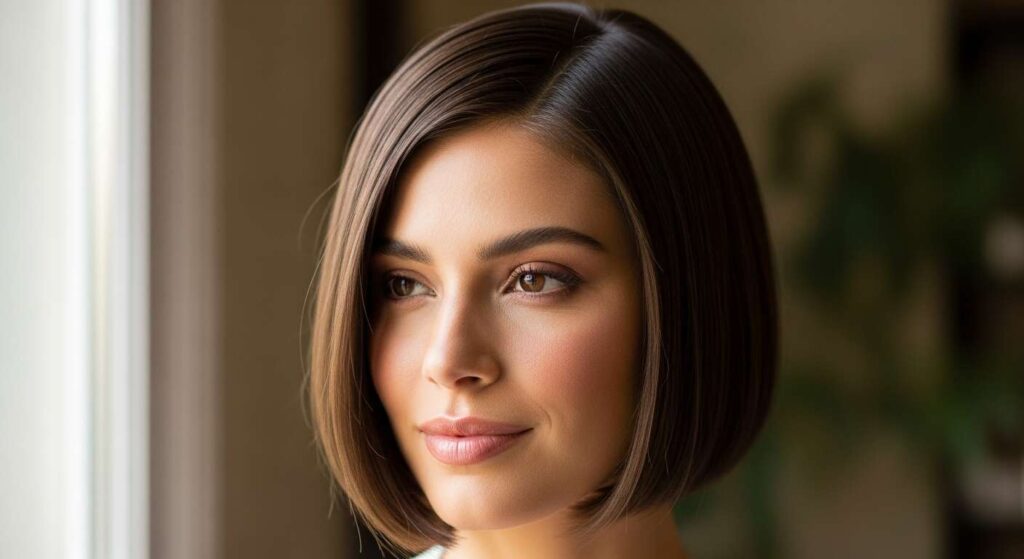
The bob cut exemplifies how timeless shapes can be reinterpreted for contemporary tastes. Originally popularised in the 1920s, this style has undergone countless iterations whilst maintaining its fundamental structure. What distinguishes the modern bob is its versatility and adaptability to different face shapes and hair textures. Stylists emphasise that today’s versions focus on personalisation within simplicity, creating bespoke cuts that honour the classic silhouette whilst accommodating individual features.
Contemporary variations breathing new life
The current bob renaissance showcases several distinct interpretations that demonstrate the style’s flexibility. The blunt bob features a sharp, horizontal line that creates striking visual impact. Meanwhile, the textured bob incorporates subtle point-cutting techniques that add movement without compromising the overall clean shape. The asymmetric bob offers edge through uneven lengths whilst maintaining the style’s inherent sophistication.
- Chin-length bobs that frame the face elegantly
- Jaw-grazing cuts that emphasise bone structure
- Collarbone-skimming lengths for softer transitions
- Micro-bobs that make bold statements through brevity
These variations prove that simplicity need not mean uniformity, offering enough diversity to suit varied preferences whilst remaining fundamentally uncomplicated. This adaptability naturally leads to examining the broader philosophy underpinning these aesthetic choices.
Why hair minimalism appeals
The psychology behind simplified aesthetics
The attraction to minimalist hairstyles extends beyond mere fashion, tapping into deeper psychological needs. In an increasingly cluttered visual landscape, simple shapes provide visual respite and clarity. Research in consumer psychology suggests that people gravitate towards uncomplicated designs during periods of social complexity or uncertainty. Hair becomes a controllable element in otherwise chaotic lives, and choosing simplicity represents a form of intentional curation rather than neglect.
Social media’s role in popularising clean lines
Digital platforms have paradoxically accelerated the minimalist hair movement despite their typically maximalist nature. Photographs featuring clean-cut silhouettes perform exceptionally well because they read clearly even on small screens. The visual impact of a perfectly executed blunt cut or geometric shape translates effectively across various devices and formats. Influencers have discovered that simple hairstyles allow their features and fashion choices to take centre stage rather than competing for attention.
| Platform | Engagement rate | Most popular simple style |
|---|---|---|
| 4.2% higher than complex styles | Blunt bob | |
| TikTok | 3.8% higher than complex styles | One-length cuts |
| 5.1% higher than complex styles | Geometric shapes |
These engagement metrics reveal genuine public interest rather than manufactured trends, demonstrating authentic appetite for simplified aesthetics. The influence of public figures has further amplified this movement.
Celebrities and simple-cuts: an inspiration
High-profile adoptions driving mainstream acceptance
When prominent figures embrace understated hairstyles, they legitimise choices that might otherwise be overlooked. Actresses, musicians and models have increasingly appeared at major events sporting clean bobs, sleek one-length cuts and geometric shapes. These appearances generate substantial media coverage and social media discussion, translating red-carpet choices into salon requests. The democratising effect of celebrity influence means that styles once considered too plain for noteworthy events now receive acclaim for their sophisticated restraint.
Notable transformations capturing public imagination
Several high-profile hair transformations have particularly resonated with audiences seeking inspiration. These changes typically involve moving from complex, heavily styled looks towards cleaner silhouettes that emphasise natural texture and simple shapes. The public response to such transformations often includes surprise at how modern and fresh these supposedly basic styles appear. Comments frequently highlight how the simplicity actually enhances rather than diminishes the individual’s appearance.
- Red carpet appearances featuring precision-cut bobs
- Magazine covers showcasing one-length styles
- Social media posts revealing dramatic simplification
- Interview circuits where clean cuts dominate
This celebrity endorsement provides cultural permission for everyday individuals to explore similar aesthetic territory. Historical influences also contribute significantly to understanding this contemporary moment.
The 80s and their modern influence
Revisiting iconic decade aesthetics
The 1980s produced numerous distinctive hairstyles that continue influencing contemporary trends. Whilst that era is often remembered for excessive volume and elaborate perms, it also featured remarkably clean geometric cuts that align with current preferences. The sharp angles, precise lines and architectural quality of certain 80s styles translate surprisingly well into modern contexts. Stylists mine this period for structural inspiration whilst updating the execution with contemporary techniques and finishing products.
Adapting retro shapes for current tastes
The challenge lies in extracting the essence of 80s geometry without recreating dated looks. Modern interpretations focus on the fundamental shapes rather than the styling methods that characterised the original era. Where 80s versions might have involved substantial backcombing and hairspray, contemporary updates rely on precision cutting and natural texture. This selective borrowing creates styles that feel both nostalgic and entirely current.
| 80s element | Original execution | Modern adaptation |
|---|---|---|
| Geometric angles | Heavy styling products | Precision cutting techniques |
| Blunt edges | Frequent trimming | Strategic maintenance |
| Strong shapes | Structured styling | Natural movement |
This thoughtful reinterpretation demonstrates how historical styles can inform rather than dictate contemporary choices. For those considering adopting these trends, practical guidance proves invaluable.
Tips for adopting these new trends
Consulting with experienced stylists
Successfully transitioning to simpler hairstyles requires professional expertise despite their apparent simplicity. Skilled stylists assess face shapes, hair texture and lifestyle factors before recommending specific cuts. The precision required for clean lines and geometric shapes actually demands more technical skill than many layered styles. Booking consultations with stylists experienced in minimalist cuts ensures results that appear effortless whilst being expertly executed.
Maintaining simplicity through proper care
Simple cuts paradoxically require diligent maintenance to preserve their impact. Blunt edges need regular trimming to prevent ragged ends that undermine the clean aesthetic. Investing in quality scissors for at-home fringe maintenance between salon visits helps sustain the look. Understanding which products enhance rather than complicate natural texture proves essential.
- Schedule trims every six to eight weeks for blunt cuts
- Use lightweight products that don’t weigh hair down
- Embrace natural texture rather than fighting it
- Invest in proper tools for home maintenance
- Photograph your style from multiple angles for reference
Adapting trends to individual features
The beauty of simplified hairstyles lies in their adaptability rather than uniformity. A bob that suits one person may require modifications for another based on hair density, natural wave pattern or facial proportions. Working collaboratively with stylists to personalise these classic shapes ensures results that feel authentically individual. The goal involves finding the intersection between trending aesthetics and personal suitability, creating looks that feel both current and genuinely flattering.
The resurgence of understated hairstyles represents more than fleeting fashion, reflecting genuine shifts in how people approach personal presentation. Simple cuts offer practical benefits including reduced maintenance time, lower costs and decreased reliance on styling products whilst delivering striking visual impact through precision and clean lines. The bob cut exemplifies how classic shapes remain perpetually relevant through thoughtful reinterpretation. Minimalist aesthetics appeal both psychologically and practically, providing visual clarity in cluttered times. Celebrity adoption has legitimised these choices, whilst selective borrowing from 80s geometry adds historical depth to contemporary styles. Successfully adopting these trends requires professional guidance, consistent maintenance and personalisation that honours individual features. This movement towards simplicity ultimately celebrates the idea that sophistication need not equal complexity, proving that sometimes the most modern choice is also the most straightforward.