



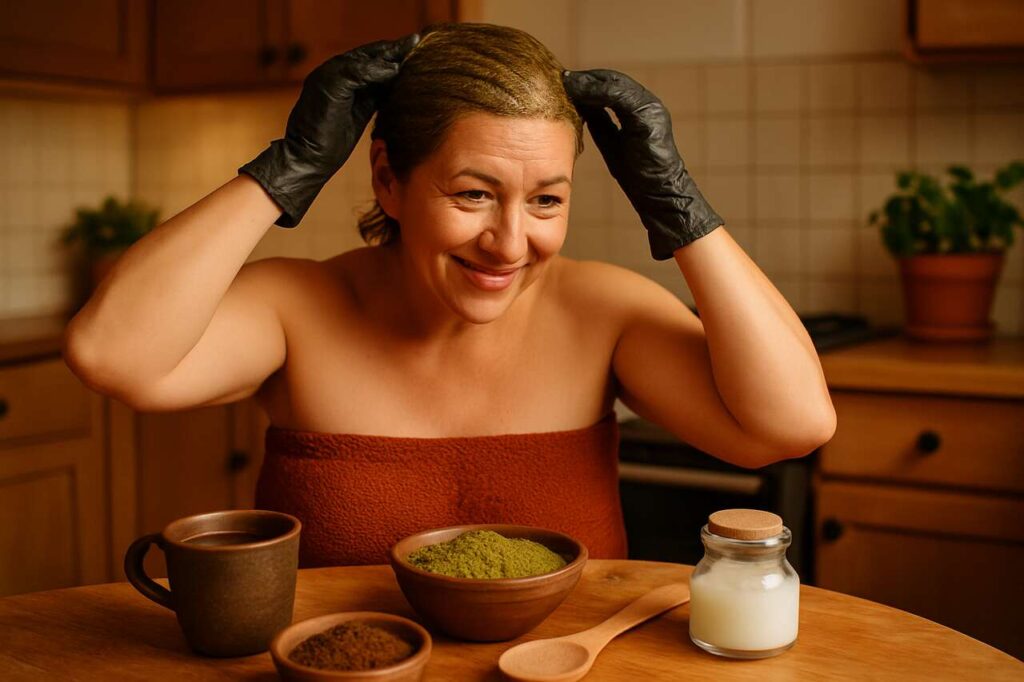
Grey hair has long been considered a natural part of ageing, yet many individuals seek ways to restore their original hair colour without resorting to harsh chemical treatments. The growing concern over the potential health risks associated with conventional hair dyes has prompted a surge of interest in natural alternatives. Homemade dye recipes offer a gentle, cost-effective solution that not only covers grey strands but also nourishes the hair from root to tip.
Understanding the Cause of Grey Hair
The Science Behind Greying
Hair turns grey when melanocytes, the cells responsible for producing melanin, gradually cease functioning. Melanin is the pigment that gives hair its natural colour, and as its production declines, hair loses its hue and appears grey or white. This process typically begins in the mid-thirties for most people, though genetic factors play a significant role in determining when greying starts.
Contributing Factors to Premature Greying
Several factors can accelerate the appearance of grey hair beyond genetics. These include:
- Chronic stress and anxiety
- Nutritional deficiencies, particularly vitamin B12, iron, and copper
- Smoking and excessive alcohol consumption
- Certain medical conditions affecting thyroid function
- Exposure to environmental pollutants
Understanding these underlying causes helps individuals make informed decisions about their hair care routines and lifestyle choices. Whilst some factors remain beyond our control, adopting healthier habits can slow the greying process and improve overall hair vitality. This knowledge also underscores the importance of choosing gentle colouring methods that do not further damage already vulnerable hair.
Natural Ingredients for Dyeing Hair
Plant-Based Dyes
Nature provides an abundance of ingredients capable of imparting colour to grey hair. Henna stands as one of the most renowned natural dyes, offering shades ranging from auburn to deep red depending on the hair’s original colour. This powder, derived from the Lawsonia inermis plant, has been used for centuries across various cultures for both cosmetic and medicinal purposes.
Other plant-based options include indigo powder, which produces darker tones when combined with henna, and walnut shells, which create rich brown hues. These ingredients work by coating the hair shaft rather than penetrating it chemically, making them considerably gentler than synthetic alternatives.
Kitchen Staples for Hair Colouring
Many everyday items found in the kitchen possess surprising dyeing properties. The following table illustrates common ingredients and their colouring effects:
| Ingredient | Resulting Colour | Application Method |
|---|---|---|
| Strong brewed coffee | Dark brown | Rinse or mask |
| Black tea | Medium to dark brown | Rinse or soak |
| Sage leaves | Gradual darkening | Infusion rinse |
| Beetroot juice | Reddish tint | Direct application |
Herbs and Spices
Certain herbs and spices offer both colouring and conditioning benefits. Rosemary combined with sage creates a darkening effect when used consistently over several weeks. Cloves boiled in water produce a deep brown rinse, whilst cinnamon mixed with honey can lighten hair gradually whilst adding subtle warmth. These ingredients contain antioxidants and nutrients that support scalp health alongside their pigmenting properties. With this foundation of natural ingredients established, the next step involves combining them effectively.
Preparing the Homemade Dye
Basic Coffee and Conditioner Mixture
One of the simplest recipes for covering grey hair involves combining brewed coffee with a natural conditioner. Begin by brewing two cups of strong organic coffee and allowing it to cool completely. Mix one cup of the cooled coffee with half a cup of leave-in conditioner and two tablespoons of coffee grounds for added intensity. The conditioner helps the mixture adhere to the hair whilst providing moisture.
Henna-Based Dye Preparation
For those seeking longer-lasting results, henna offers excellent coverage. The preparation requires:
- 100 grams of pure henna powder
- Juice of one lemon
- Warm water or strong black tea
- One tablespoon of coconut oil
Mix the henna powder with lemon juice and enough liquid to create a yoghurt-like consistency. Allow the mixture to sit for four to six hours, enabling the dye to release fully. Add the coconut oil just before application to ease the process and enhance conditioning benefits.
Sage and Rosemary Infusion
For a gentler, gradual approach, prepare an infusion using equal parts dried sage and rosemary. Steep four tablespoons of the herb mixture in two cups of boiling water for at least thirty minutes. Strain the liquid and store it in a glass bottle. This preparation can be used repeatedly and stored in the refrigerator for up to two weeks. Having prepared the dye mixture, proper application technique ensures optimal results.
Applying the Natural Dye
Pre-Application Preparation
Before applying any natural dye, ensure hair is clean and free from styling products. Wash hair with a clarifying shampoo to remove buildup, then towel dry until damp. Protect clothing and surfaces by wearing an old shirt and placing towels around the shoulders. Apply petroleum jelly or coconut oil along the hairline to prevent skin staining.
Application Technique
Divide hair into four sections using clips for easier management. Starting at the roots where grey is most visible, apply the dye mixture generously using a brush or gloved hands. Work through each section systematically, ensuring complete coverage from roots to ends. For coffee-based dyes, leave the mixture on for sixty to ninety minutes. Henna applications require longer processing times, typically two to four hours depending on desired intensity.
Processing and Rinsing
Cover the dyed hair with a shower cap or cling film to retain moisture and heat, which helps the colour develop. Some individuals wrap a warm towel over the cap for enhanced penetration. When the processing time concludes, rinse hair thoroughly with lukewarm water until it runs clear. Avoid using shampoo immediately after application, as this can strip the newly deposited colour. Once the dye has been rinsed, proper aftercare maintains the colour and hair health.
Hair Care after Colouring
Immediate Post-Colour Care
Following natural dye application, hair requires gentle handling for the first forty-eight hours. Refrain from washing hair during this period to allow the colour to set fully. When washing becomes necessary, use sulphate-free shampoos formulated for colour-treated hair. These products clean without stripping the natural oils and pigments that maintain colour vibrancy.
Maintaining Colour Intensity
Natural dyes fade more quickly than chemical alternatives, necessitating regular maintenance. Consider these strategies:
- Apply the dye mixture every two to three weeks
- Use herbal rinses between full applications
- Limit heat styling to preserve colour
- Protect hair from chlorine and saltwater
- Sleep on silk pillowcases to reduce friction
Deep Conditioning Treatments
Natural dyes generally condition whilst colouring, yet hair benefits from additional moisture treatments. Weekly deep conditioning masks containing ingredients such as avocado, honey, and olive oil restore hydration and enhance shine. These treatments also help seal the hair cuticle, locking in colour molecules and extending the time between applications. Understanding these care requirements highlights the broader advantages of choosing natural colouring methods.
Benefits of Natural Dyes on Hair Health
Chemical-Free Colouring
The primary advantage of homemade dyes lies in their absence of harmful chemicals. Conventional hair dyes contain ammonia, peroxide, and para-phenylenediamine, substances linked to scalp irritation, allergic reactions, and potential long-term health concerns. Natural alternatives eliminate these risks whilst still providing effective grey coverage. Individuals with sensitive skin or chemical sensitivities particularly benefit from this gentler approach.
Nourishment and Strengthening
Unlike synthetic dyes that can weaken hair structure, natural ingredients often strengthen and nourish. Henna coats each strand with a protective layer that adds thickness and reduces breakage. Coffee contains flavonoids that stimulate hair growth, whilst herbs like rosemary improve circulation to the scalp. The following table compares the effects of natural versus chemical dyes:
| Aspect | Natural Dyes | Chemical Dyes |
|---|---|---|
| Hair texture | Improved, thicker | Often damaged, brittle |
| Scalp health | Nourished, soothed | Potentially irritated |
| Environmental impact | Minimal | Significant pollution |
| Cost | Very affordable | Moderate to expensive |
Long-Term Hair Vitality
Regular use of natural dyes contributes to overall hair health rather than compromising it. The vitamins, minerals, and antioxidants present in plant-based ingredients support hair growth cycles and maintain scalp balance. Over time, users often notice improved hair texture, increased shine, and reduced hair fall compared to their experience with chemical treatments.
Embracing natural hair dye recipes represents more than a cosmetic choice; it reflects a commitment to holistic wellbeing. These homemade solutions effectively cover grey hair whilst simultaneously nourishing each strand and protecting long-term hair health. The ingredients are readily available, affordable, and free from the harsh chemicals that characterise commercial products. By incorporating these gentle alternatives into regular hair care routines, individuals can maintain their desired appearance without compromising their health or the environment. The journey towards naturally vibrant hair begins with simple, mindful choices that honour both personal beauty and overall wellness.